

Reykjavik Travel Guide
A practical introduction to Reykjavik, including why to visit, what to see, where to stay, local food and how to plan a break in the world’s northernmost capital, gateway to Iceland’s otherworldly nature.
- Country
- Iceland
- Currency
- Icelandic Króna / ISK
- Language
- Icelandic
- Airport
- Keflavík (KEF)
- Local time
- 15:39
About Reykjavik
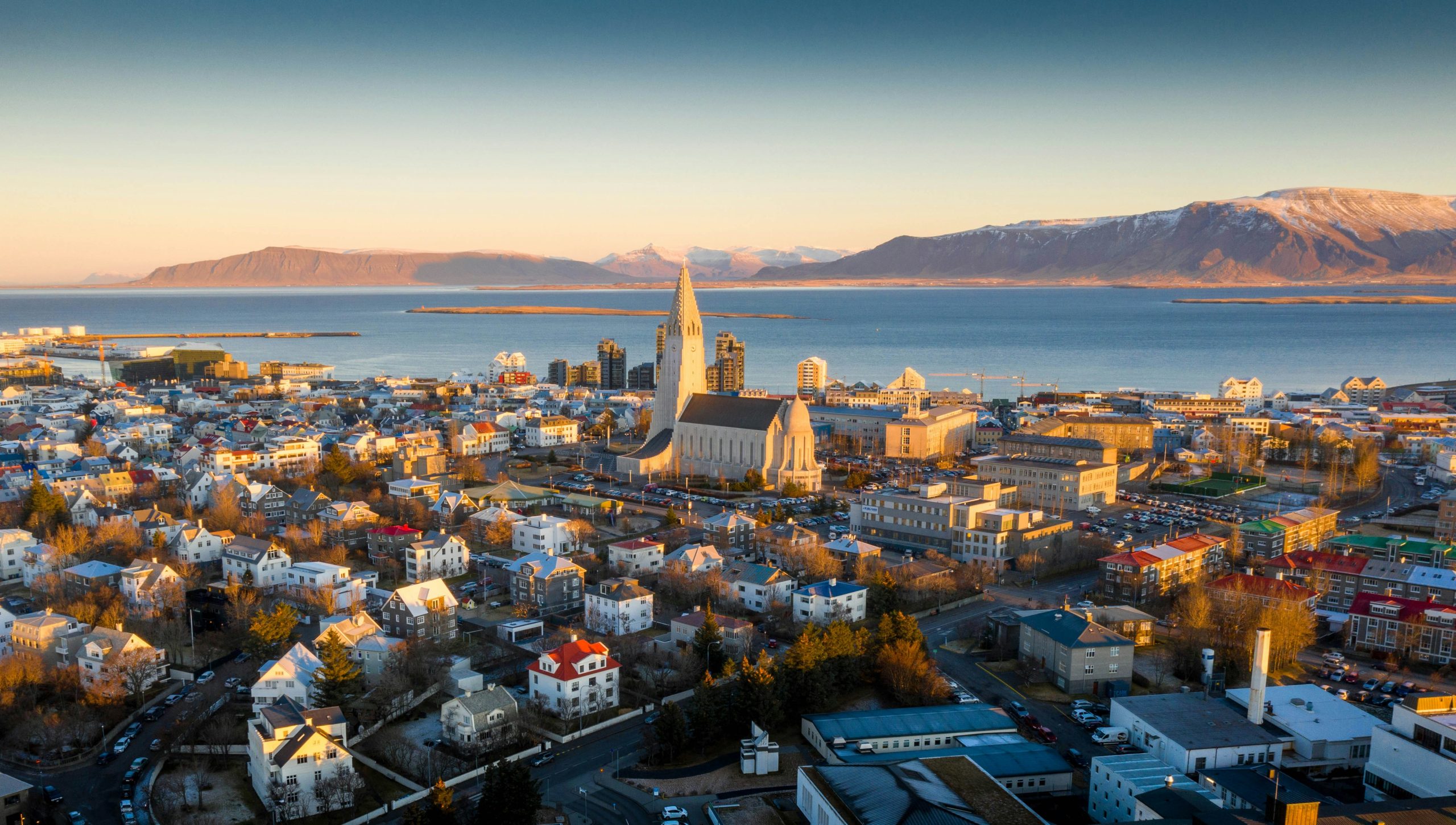
Reykjavik is the world’s northernmost national capital, a colourful and creative city surrounded by Iceland’s extraordinary volcanic landscapes and rugged Atlantic coastline. Despite its relatively small population, the city has a thriving music and arts scene, independent shops, excellent restaurants and a lively café culture. The striking Hallgrímskirkja church dominates the skyline, offering panoramic views across the colourful rooftops, while the waterfront is home to the distinctive Harpa Concert Hall and the Sun Voyager sculpture. Reykjavik is also known for its geothermal swimming pools, where locals gather throughout the year, and its restaurants serving everything from traditional Icelandic specialities to contemporary Nordic cuisine. Beyond the city, visitors can explore the geysers, waterfalls and volcanic landscapes of the Golden Circle, relax in geothermal lagoons or head out in search of the Northern Lights during the darker months. Although food, accommodation and activities can be expensive, Reykjavik makes an excellent starting point for discovering Iceland’s remarkable natural attractions.
MapMagnet Picks
These are the Reykjavik experiences we think most first-time visitors should prioritise.
-
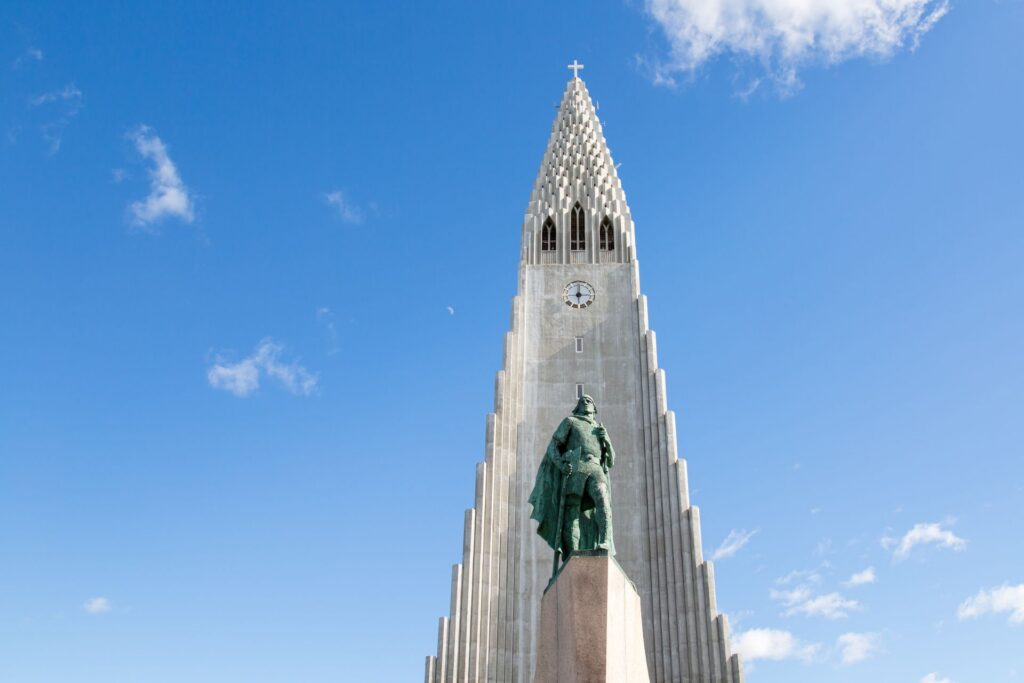 Photo: Michael Fischer / pexels.com
Climb Hallgrímskirkja Tower
This striking church, designed to resemble Iceland’s basalt lava columns, dominates the Reykjavik skyline, and its tower offers the best panoramic views over the city.
-
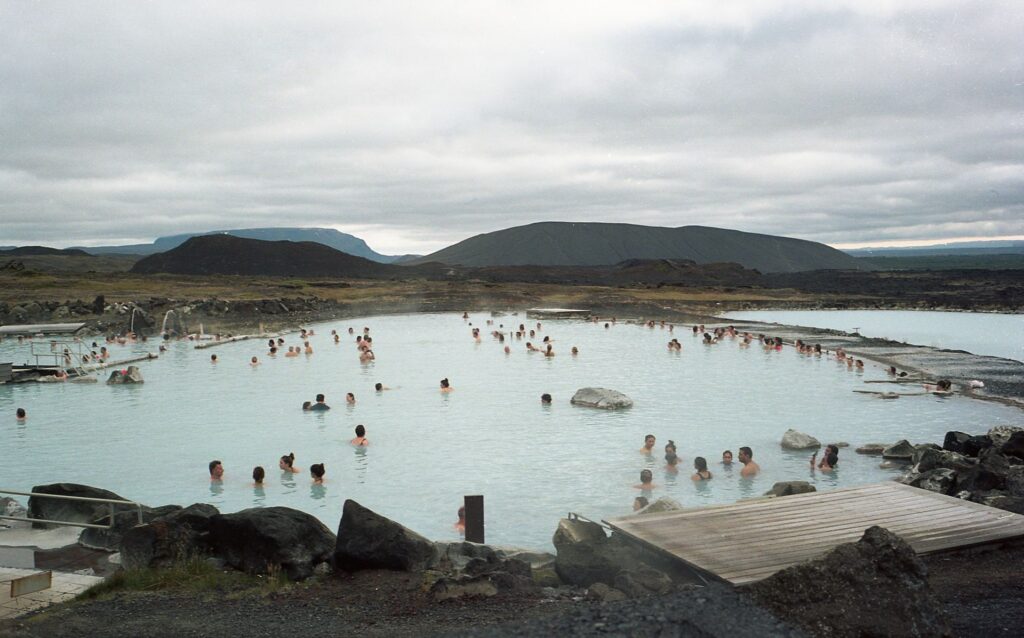 Photo: Pin Han Lim / pexels.com
Soak in a Geothermal Lagoon
Iceland’s geothermal waters have made lagoon bathing a genuine national pastime, and a soak at the Blue Lagoon or Sky Lagoon is an essential part of any visit.
-
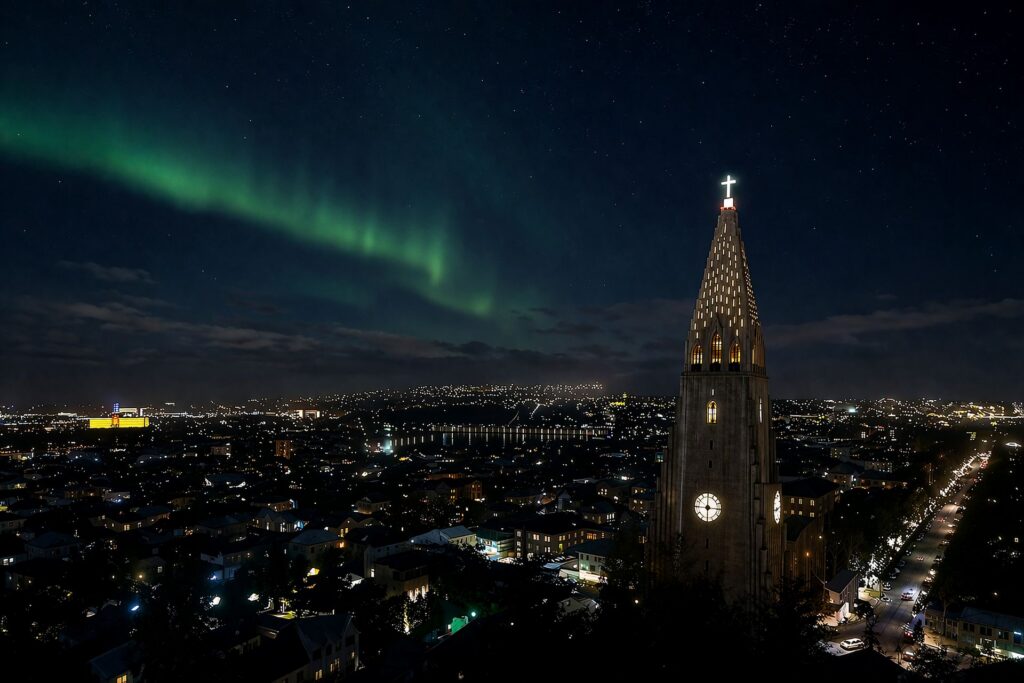 Photo: Jón T Jónsson / pexels.com
Chase the Northern Lights
Reykjavik’s northern latitude makes it one of the most accessible places in the world to see the aurora borealis during the winter months.
Practical info
Best time to visit Reykjavik
-
Mar Apr May
Spring Mar – May Quiet
A quieter time to visit, with lengthening daylight and improving conditions for exploring the surrounding countryside.
-
Jun Jul Aug
Summer Jun – Aug Ideal
The best season for nature day trips, with near-endless daylight thanks to the midnight sun and the most reliable weather.
-
Sep Oct Nov
Autumn Sep – Nov Good
A transitional season with shortening days, offering an early chance to see the Northern Lights as darkness returns.
-
Dec Jan Feb
Winter Dec – Feb Snowy
Cold and dark, but the best season for the Northern Lights, with genuinely long nights ideal for aurora chasing.
Getting around Reykjavik
-
Airport to city centre
Keflavík International Airport is around 50 km from Reykjavik, with a shuttle bus taking around 45 minutes into the city.
-
Walking
Reykjavik’s city centre is genuinely small and easily walkable, with Hallgrímskirkja, Laugavegur and the Old Harbour all within a comfortable distance.
-
City buses
Reykjavik’s local bus network, Strætó, covers the wider city, useful for reaching neighbourhoods slightly outside the centre.
-
Car for nature day trips
A car is genuinely the best way to explore the Golden Circle, South Coast or Snæfellsnes at your own pace, and rental is widely available.
-
Organised tours
Guided day tours to the Golden Circle, Blue Lagoon and South Coast run regularly from Reykjavik, a good option for those who would rather not drive.
-
Whale watching boats
Boats depart from the Old Harbour for whale-watching tours, a popular and practical way to see Icelandic wildlife.
Know before you go
-
Iceland is genuinely expensive
Reykjavik is consistently among the most expensive cities in the world, so budget generously for food, drinks and tours.
-
Iceland is almost entirely cashless
Card payments are used for nearly everything, including small purchases, and cash is rarely needed.
-
Book the Blue Lagoon and tours in advance
Popular attractions and tours can sell out, especially in peak season, so booking online ahead of time is genuinely important.
-
Pack layers regardless of season
Icelandic weather can change dramatically within a single day, so proper layering matters more here than in most destinations.
-
Tap water is excellent
Iceland’s tap water is genuinely among the best in the world, so there is no need to buy bottled water during your visit.
Suggested itineraries for Reykjavik
If we were visiting Reykjavik for the first time, this is how we would spend our time.
1 Day
Reykjavik Highlights
A compact route focused on the city centre and a taste of Icelandic nature.
- Morning Hallgrímskirkja and Laugavegur
- Lunch Icelandic hot dogs or plokkfiskur
- Afternoon Harpa, Sun Voyager and the Old Harbour
- Evening A soak at a local geothermal pool
Weekend
The balanced city break
A two-day plan mixing the city centre with an essential nature day trip.
- Day 1 Hallgrímskirkja, Harpa and the Old Harbour
- Day 2 Day trip around the Golden Circle
- Evening A soak at the Blue Lagoon or Sky Lagoon
5–7 Days
Reykjavik and Iceland’s Nature
A slower trip with time for the city’s highlights plus deeper exploring of Iceland’s dramatic landscapes.
5 full days to explore, with arrival and departure days left for travel.
- Day 1 Hallgrímskirkja, Harpa and the Old Harbour
- Day 2 Whale watching and Laugavegur
- Day 3 Day trip around the Golden Circle
- Day 4 Day trip along the South Coast waterfalls
- Day 5 Blue Lagoon and a relaxed final day
Book your Reykjavik trip
Add your dates, then compare places to stay, flights and things to do across trusted travel sites.
Hotels, apartments and holiday homes in Reykjavik for your dates.
Choose where to continue your search:
Choose where to continue your search:
Tours, tickets and activities in Reykjavik.
Choose where to continue your search:
Other destinations to consider
Explore other small, nature-adjacent cities with an outsized creative reputation and dramatic landscapes right on their doorstep.
-
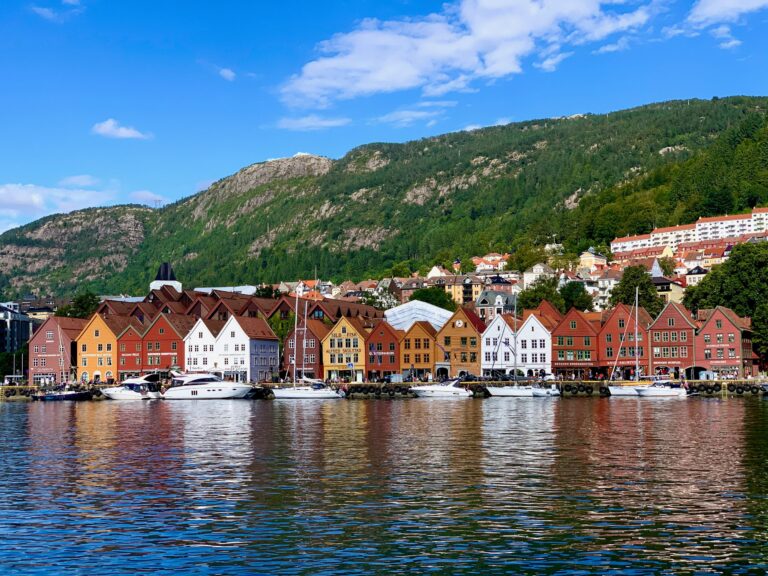
Bergen
A colourful harbour city ringed by mountains, with a UNESCO-listed wharf, superb seafood and Norway’s famous fjords right on the doorstep.
-
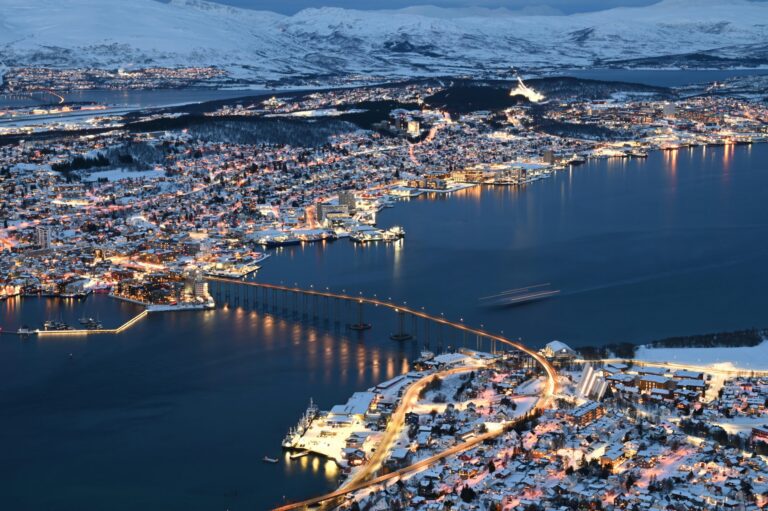
Tromsø
The lively Capital of the Arctic, one of the world’s best places for the Northern Lights and summer midnight sun.
-
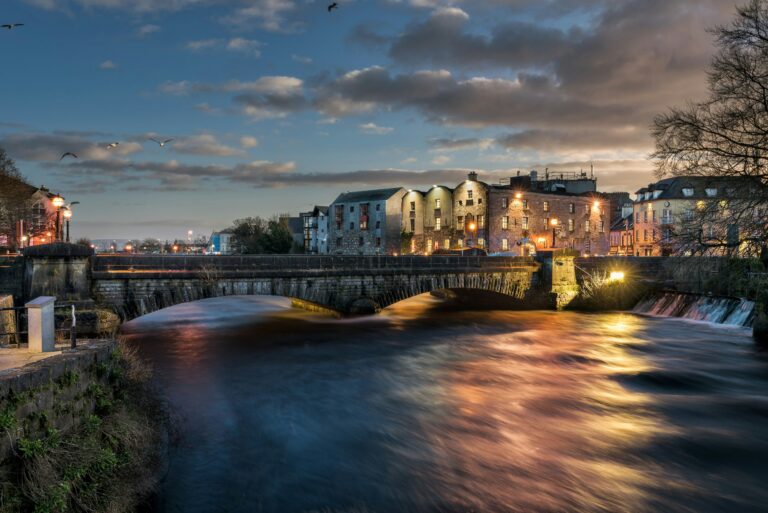
Galway
Ireland’s most bohemian city, with trad music in every pub, a colourful medieval centre and the Wild Atlantic Way on its doorstep.
-
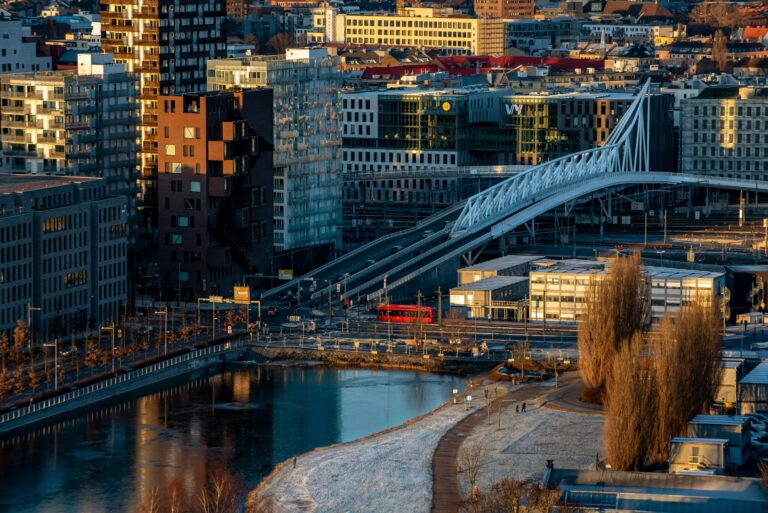
Oslo
A fjord-side capital of bold modern architecture, Viking heritage and forest trails reached by metro.
Plan your Reykjavik trip
Keep flights, stays and day-by-day plans together in one place, with ideas from this guide ready to add. It’s free and nothing to sign up for.
Start planning-
Somewhere like Reykjavik
Loved the sound of Reykjavik? Discover suggests other places with a similar feel.
-
Book your trip
Compare places to stay, flights and experiences for your dates.
-
Travel essentials
Find travel insurance, eSIMs, cabin bags, adapters and more.
-
More travel tools
Weather by month, currency conversion, packing lists and trip budgets.
In development
The Premium Reykjavik Guide is coming soon
We’re researching and creating our comprehensive Reykjavik Guide: the places we’d send a friend, with a map on your phone that takes you straight to them.
What’s inside
- Personally chosen restaurants, cafés and bars
- Neighbourhood guides and hidden gems
- Scenic walks and photography spots
- An interactive map of every recommendation
£9.99 one-off, including the map