

Oslo Travel Guide
A practical introduction to Oslo, including why to visit, what to see, where to stay, Norwegian food and how to plan a break in this fjord-side capital where wilderness begins at the city limits.
- Country
- Norway
- Currency
- Norwegian Krone / NOK
- Language
- Norwegian
- Airport
- Oslo (OSL)
- Local time
- 16:39
About Oslo
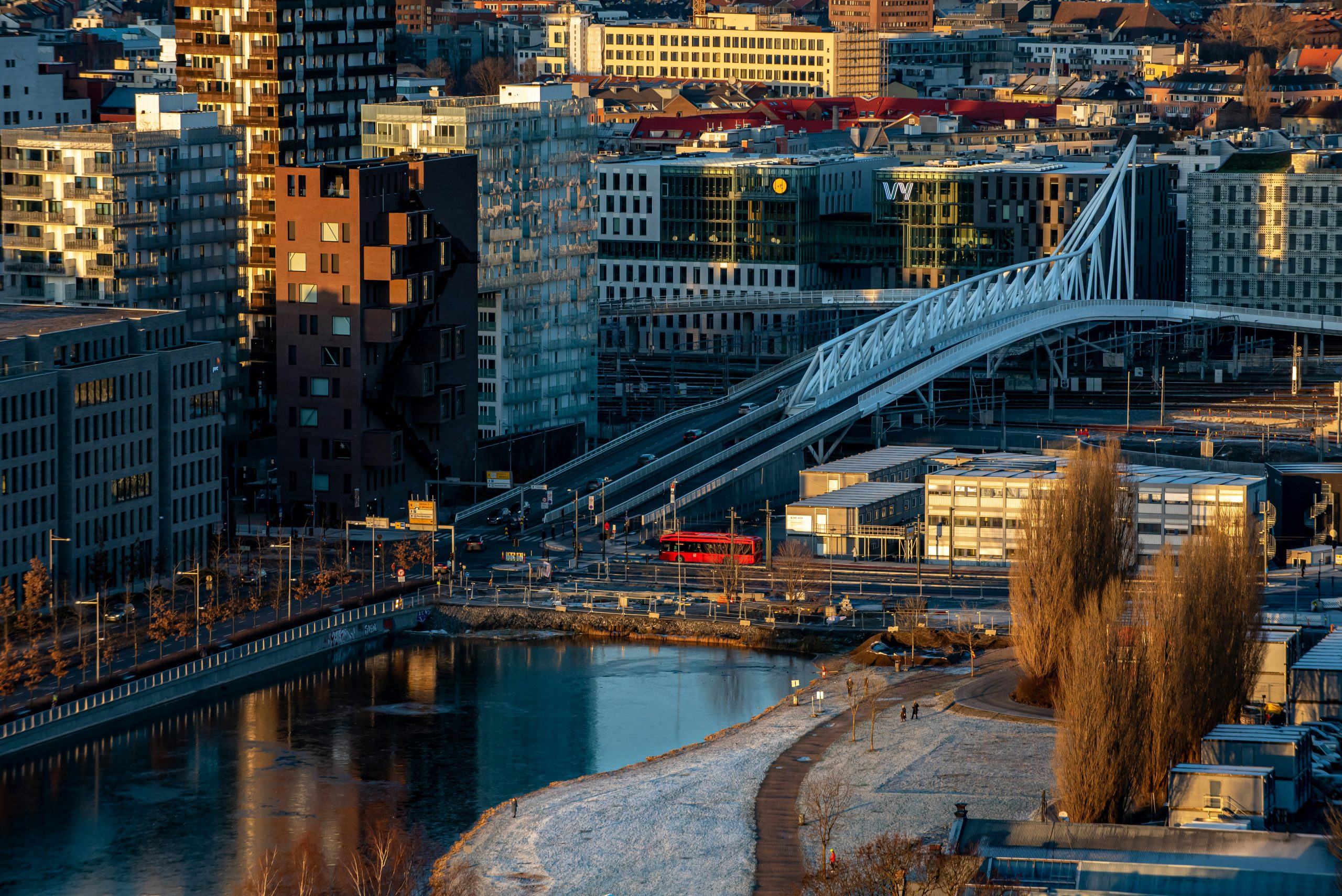
Oslo is a modern Scandinavian capital set at the head of the Oslofjord, where striking contemporary architecture, fascinating museums and extensive green spaces sit within easy reach of forests and mountains. The waterfront has been transformed in recent years, with the angular Oslo Opera House, impressive MUNCH museum and modern buildings of the Barcode district creating a distinctive skyline. Norway’s maritime and Viking heritage can be explored through its museums and historic sites, while the Vigeland Sculpture Park offers an extraordinary collection of artworks in beautiful landscaped surroundings. Along the harbour, Aker Brygge and Tjuvholmen are popular for their waterfront restaurants, cafés and galleries, with ferries connecting the city to nearby islands during the warmer months. Oslo is also unusual for a capital in offering such easy access to outdoor activities, with hiking trails, forest lakes and winter skiing areas all reachable by public transport. With its combination of Nordic design, cultural attractions and spectacular natural surroundings, Oslo has plenty to explore throughout the year.
MapMagnet Picks
These are the Oslo experiences we think most first-time visitors should prioritise.
-
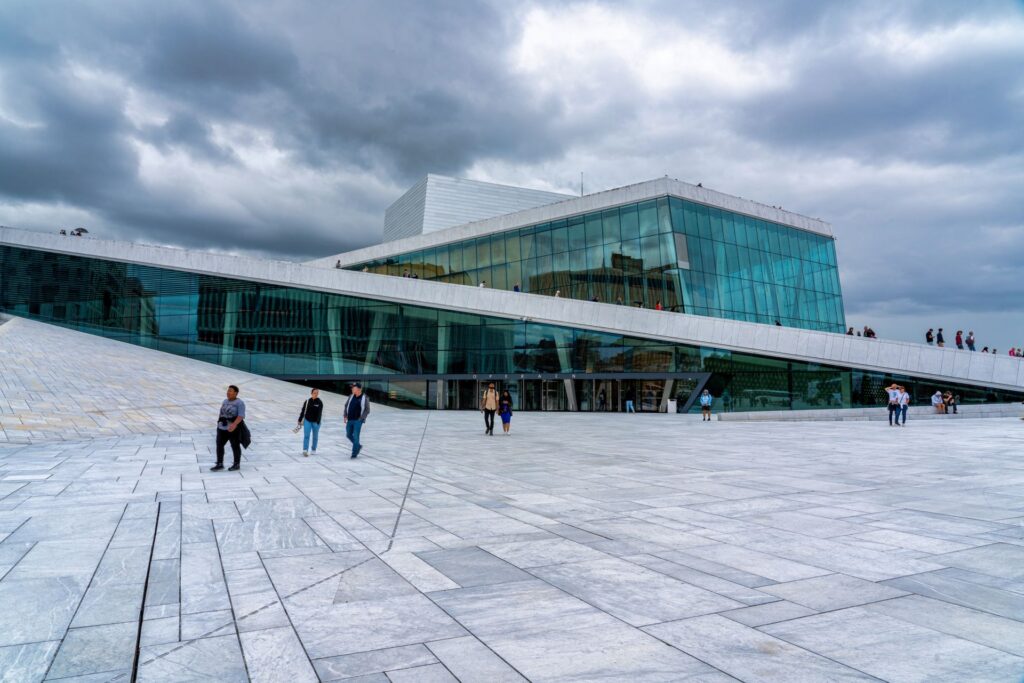 Photo: Ramon Perucho / pexels.com
Walk the Roof of the Oslo Opera House
This striking building, designed to resemble a glacier rising from the fjord, invites visitors to walk right up its sloped white marble roof for sweeping harbour views.
-
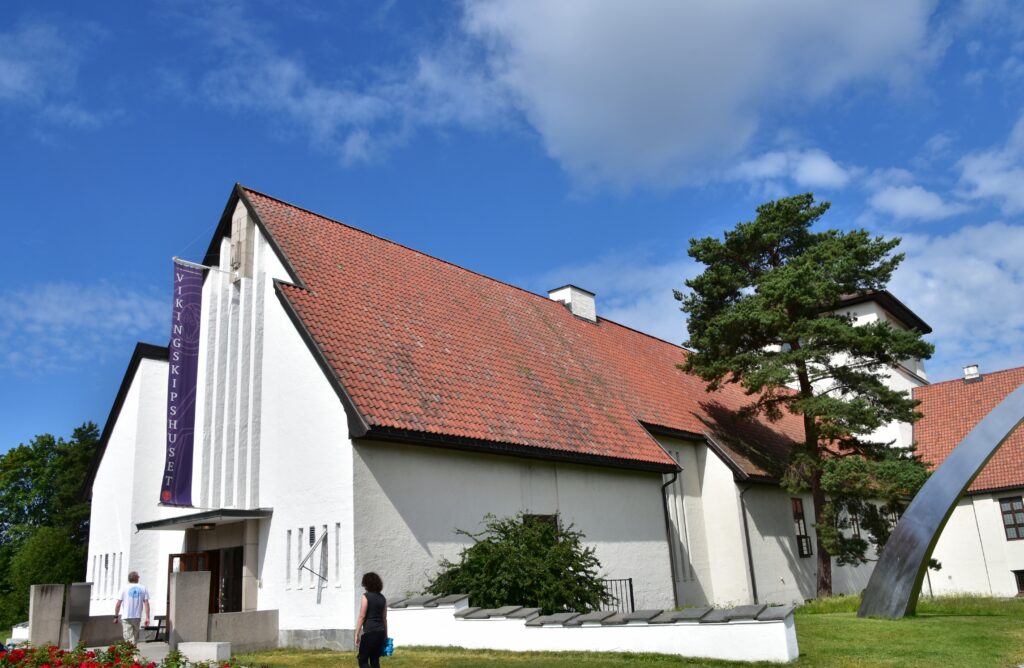 Photo: Viking Ship Museum, Oslo by Richard Mortel / CC BY 2.0
Visit the Viking Ship Museum
This museum houses genuinely remarkable, well-preserved Viking ships, offering a direct and tangible connection to Norway’s seafaring history.
-
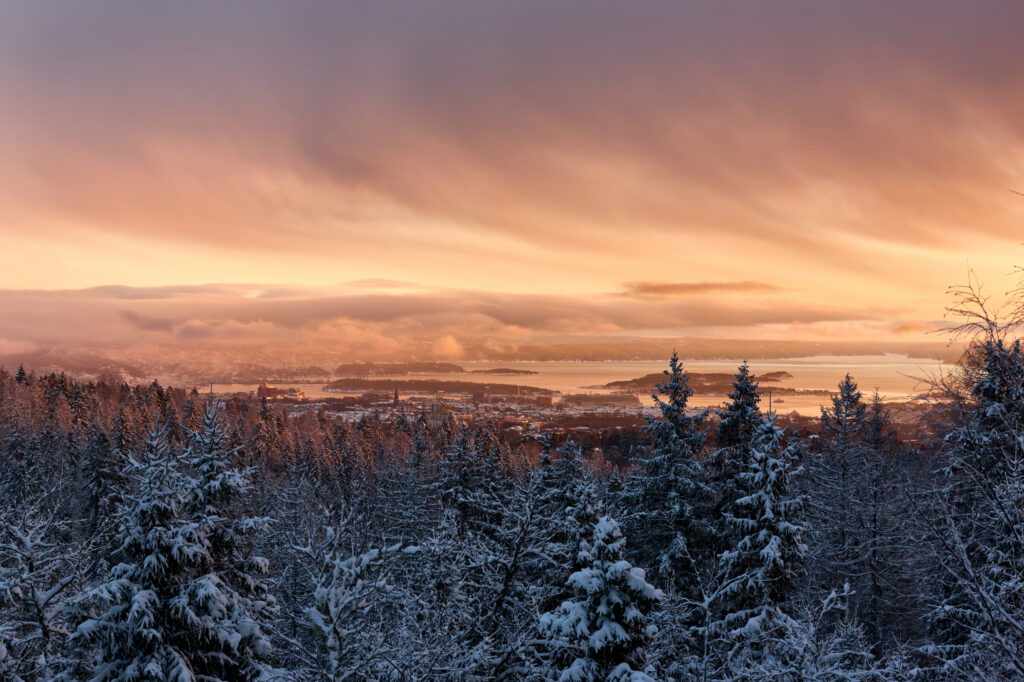 Photo: Oslo city center seen from the Bomveien in the forest area Nordmarka in Oslo by Leonhard Lenz / CC0 1.0
Escape to Nordmarka Forest
A short metro ride from the city centre delivers you into genuine wilderness, with hiking trails in summer and cross-country skiing in winter.
Practical info
Best time to visit Oslo
-
Mar Apr May
Spring Mar – May Good
A quiet, pleasant time to visit, with lengthening daylight and the city gradually coming back to life after winter.
-
Jun Jul Aug
Summer Jun – Aug Ideal
The best season for the fjord and Nordmarka hiking, with long daylight hours and outdoor life throughout the city.
-
Sep Oct Nov
Autumn Sep – Nov Quiet
A quieter, atmospheric time to visit, well suited to museum visits as the forest colours change and the days shorten.
-
Dec Jan Feb
Winter Dec – Feb Snowy
Cold and dark, but genuinely special, with cross-country skiing accessible directly from the city via the metro.
Getting around Oslo
-
Airport to city centre
Oslo Airport is around 47 km from the centre, with the Flytoget express train taking around 20 minutes into the city.
-
Walking
The city centre is compact and pedestrian-friendly, with the Opera House, Akershus Fortress and harbour area all within easy walking distance.
-
T-bane (metro)
Oslo’s metro system uniquely connects the city centre directly to the Nordmarka forest, making wilderness access genuinely part of daily transport.
-
Trams
Oslo’s tram network complements the metro, useful for reaching Grünerløkka and other central neighbourhoods.
-
Ferries
Public ferries connect central Oslo to the Oslofjord islands, included in the city’s public transport network.
-
Car not essential
You do not need a car for Oslo itself. A car is mainly useful for exploring more remote parts of Norway beyond the city.
Know before you go
-
Oslo is genuinely expensive
Norway is consistently among the most expensive countries in Europe, so budget accordingly for food, drinks and accommodation.
-
Norway is largely cashless
Card and mobile payments are used for almost everything in Oslo, and cash is rarely needed.
-
Book major museums in advance
The Munch Museum and Viking Ship Museum can involve queues in peak season, so booking online ahead of time saves time.
-
Pack layers regardless of season
Oslo’s weather can change quickly, and forest excursions in particular call for proper layering even in summer.
-
Wear proper footwear for Nordmarka
If you plan any hiking beyond the metro stop, sturdy shoes make a genuine difference on forest trails.
Suggested itineraries for Oslo
If we were visiting Oslo for the first time, this is how we would spend our time.
1 Day
Oslo Highlights
A compact route mixing Oslo’s modern architecture with its Viking heritage.
- Morning Oslo Opera House and the harbour
- Lunch Fresh salmon at a harbourside restaurant
- Afternoon Viking Ship Museum and Bygdøy peninsula
- Evening Dinner and drinks in Grünerløkka
Weekend
The balanced city break
A two-day plan mixing Oslo’s architecture, art and genuine wilderness access.
- Day 1 Opera House, Munch Museum and the harbour
- Day 2 Viking Ship Museum and Vigeland Sculpture Park
- Evening Metro to Frognerseteren for a sunset hike
5–7 Days
Oslo and the Fjord
A slower trip with time for the city’s highlights plus deeper exploring of the surrounding fjord and forest.
5 full days to explore, with arrival and departure days left for travel.
- Day 1 Opera House, Akershus Fortress and the harbour
- Day 2 Viking Ship Museum and Munch Museum
- Day 3 Vigeland Sculpture Park and Grünerløkka
- Day 4 Hiking or skiing in Nordmarka
- Day 5 Day trip to the Oslofjord islands or Fredrikstad
Book your Oslo trip
Add your dates, then compare places to stay, flights and things to do across trusted travel sites.
Hotels, apartments and holiday homes in Oslo for your dates.
Choose where to continue your search:
Choose where to continue your search:
Tours, tickets and activities in Oslo.
Choose where to continue your search:
Other destinations to consider
Explore other destinations with the same confident modern architecture, high cost of living and genuine access to nature.
-
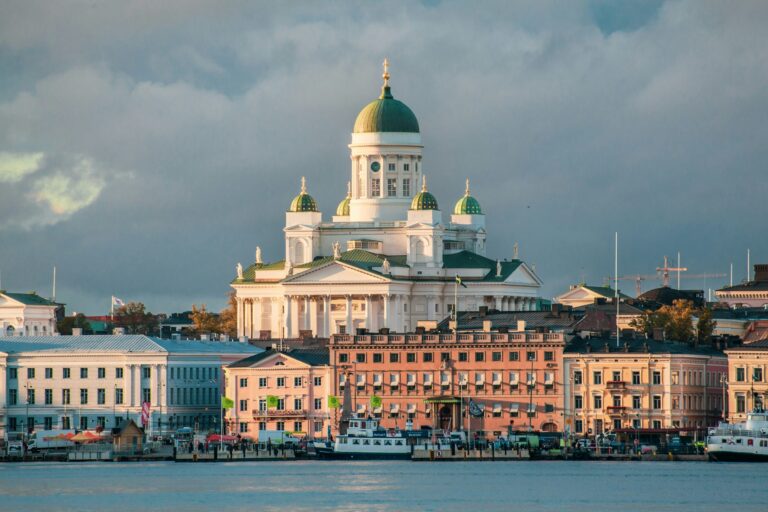
Helsinki
A Nordic capital built around Baltic islands, with a UNESCO sea fortress, world-class design and genuine sauna culture.
-
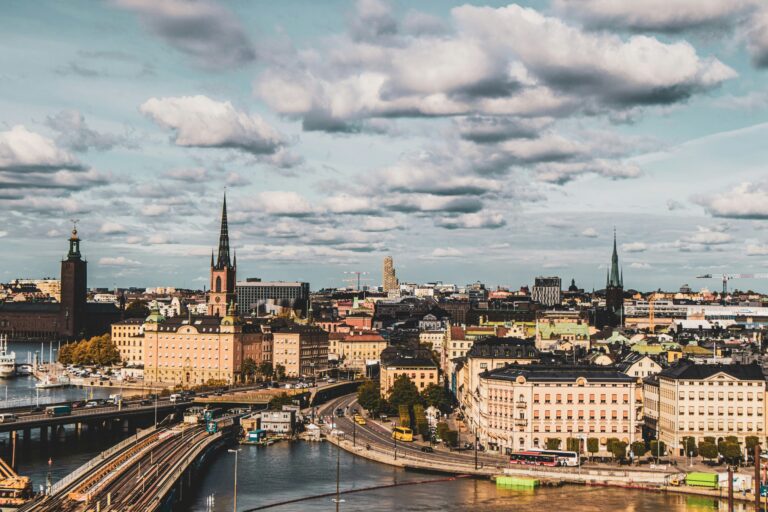
Stockholm
A design-forward Scandinavian capital built across fourteen islands, with a medieval old town and a vast archipelago on its doorstep.
-
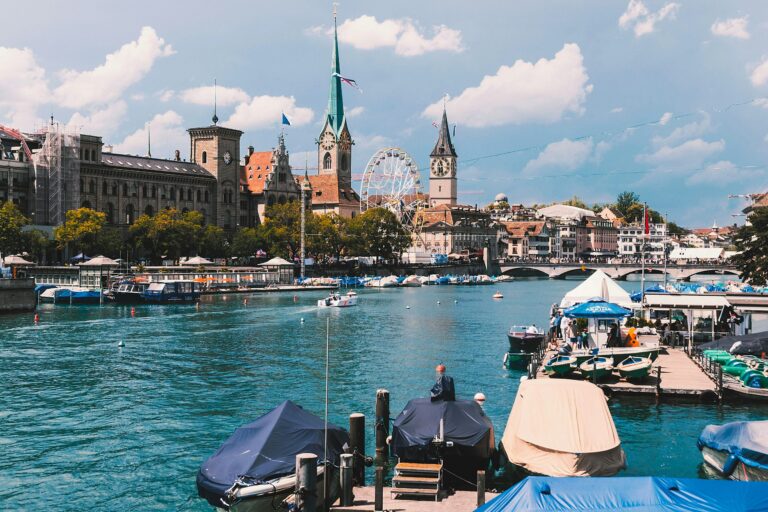
Zurich
Switzerland’s polished lakeside financial capital, with a medieval Altstadt, serious art and understated luxury.
-
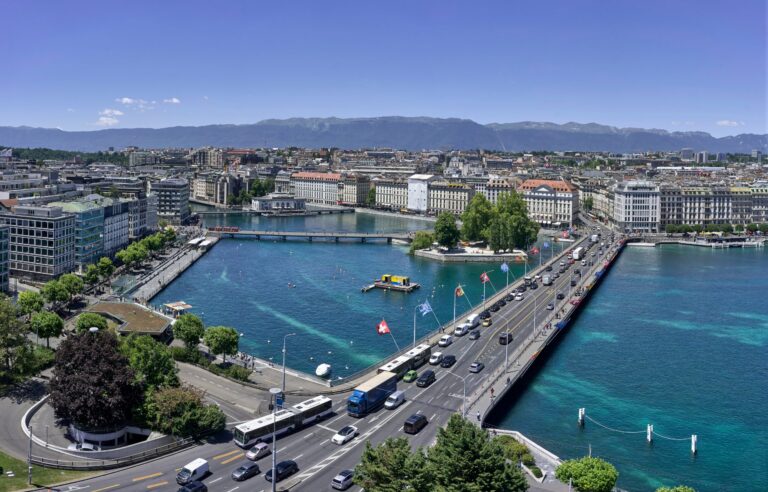
Geneva
A polished lakeside city of international diplomacy, with the Jet d’Eau, a cobbled old town and the Alps on the horizon.
Plan your Oslo trip
Keep flights, stays and day-by-day plans together in one place, with ideas from this guide ready to add. It’s free and nothing to sign up for.
Start planning-
Somewhere like Oslo
Loved the sound of Oslo? Discover suggests other places with a similar feel.
-
Book your trip
Compare places to stay, flights and experiences for your dates.
-
Travel essentials
Find travel insurance, eSIMs, cabin bags, adapters and more.
-
More travel tools
Weather by month, currency conversion, packing lists and trip budgets.
In development
The Premium Oslo Guide is coming soon
We’re researching and creating our comprehensive Oslo Guide: the places we’d send a friend, with a map on your phone that takes you straight to them.
What’s inside
- Personally chosen restaurants, cafés and bars
- Neighbourhood guides and hidden gems
- Scenic walks and photography spots
- An interactive map of every recommendation
£9.99 one-off, including the map