

Rome Travel Guide
A practical introduction to Rome, including why to visit, what to see, where to stay, local food and how to plan a break in the Eternal City, home to nearly three thousand years of layered history.
- Country
- Italy
- Currency
- Euro € / EUR
- Language
- Italian
- Airport
- Fiumicino (FCO)
- Local time
- 16:39
About Rome
Rome is a city where nearly three thousand years of history are visible in its ancient ruins, magnificent churches, grand piazzas and lively neighbourhoods. The Colosseum, Roman Forum and Pantheon reveal the extraordinary legacy of the Roman Empire, while the Vatican Museums, Sistine Chapel and St Peter’s Basilica are home to some of the world’s greatest artistic and religious treasures. Across the historic centre, Baroque landmarks such as the Trevi Fountain and Piazza Navona stand alongside Renaissance palaces, traditional trattorias and bustling cafés. Neighbourhoods such as Trastevere, Monti and Testaccio offer a different perspective on the Italian capital, with narrow cobbled streets, local markets and restaurants serving classic Roman dishes. From the peaceful gardens of Villa Borghese to the ancient Appian Way, Rome has an enormous variety of places to explore, and even a longer visit will leave plenty for another trip.
MapMagnet Picks
These are the Rome experiences we think most first-time visitors should prioritise.
-
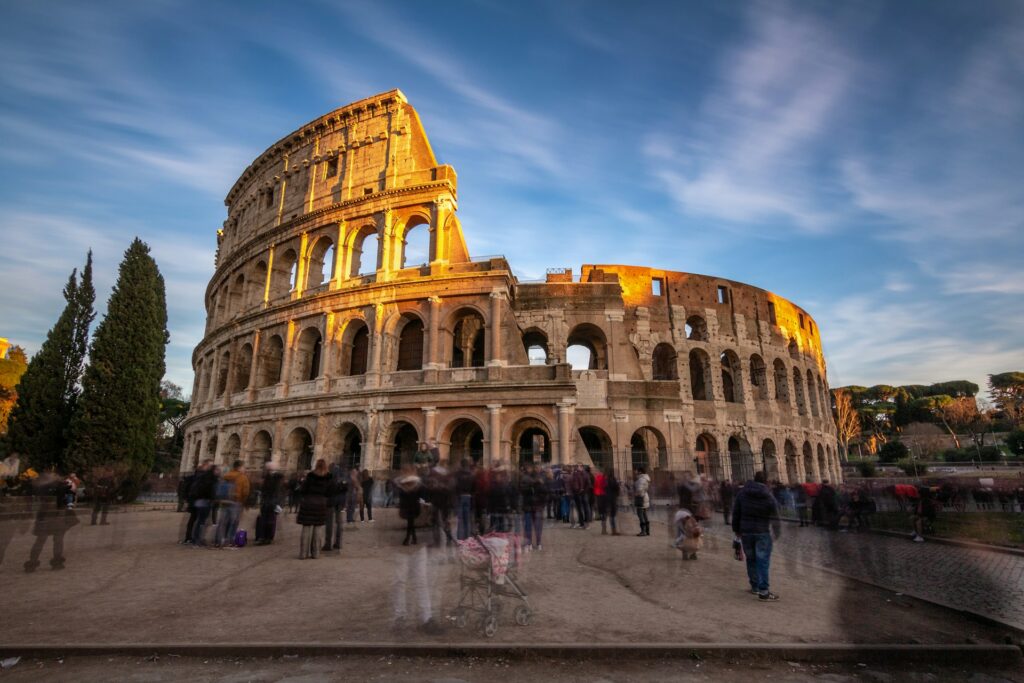 Photo by Marco Grosso on Unsplash
Explore the Colosseum and Roman Forum
These extraordinary ancient ruins offer a direct, tangible connection to the Roman Empire at its height, and remain essential for any first-time visitor.
-
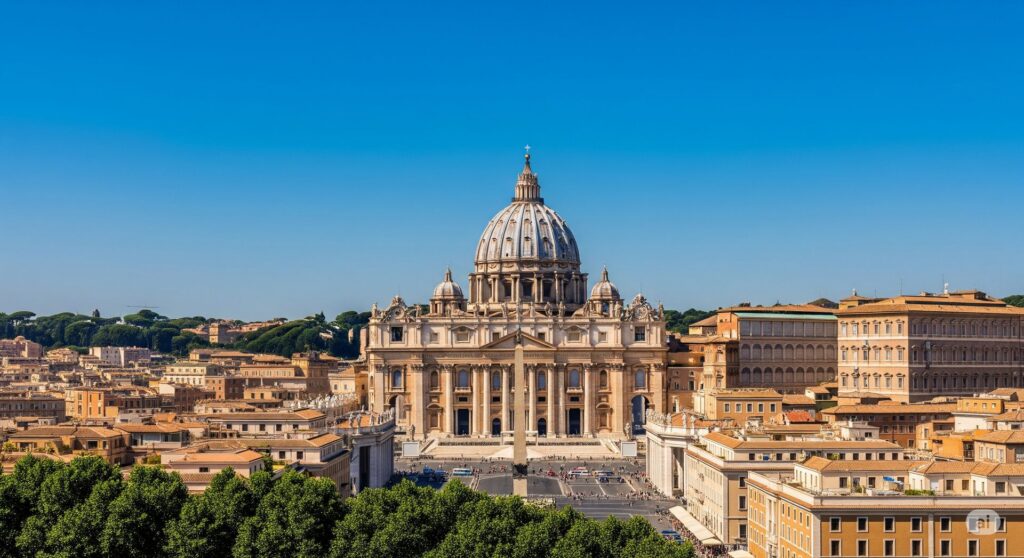 Photo: Omar Ramírez Vallejo / pexels.com
Visit St Peter’s Basilica and the Vatican
The largest church in the world and the seat of the Catholic Church, St Peter’s and the surrounding Vatican Museums offer religious and artistic significance found nowhere else.
-
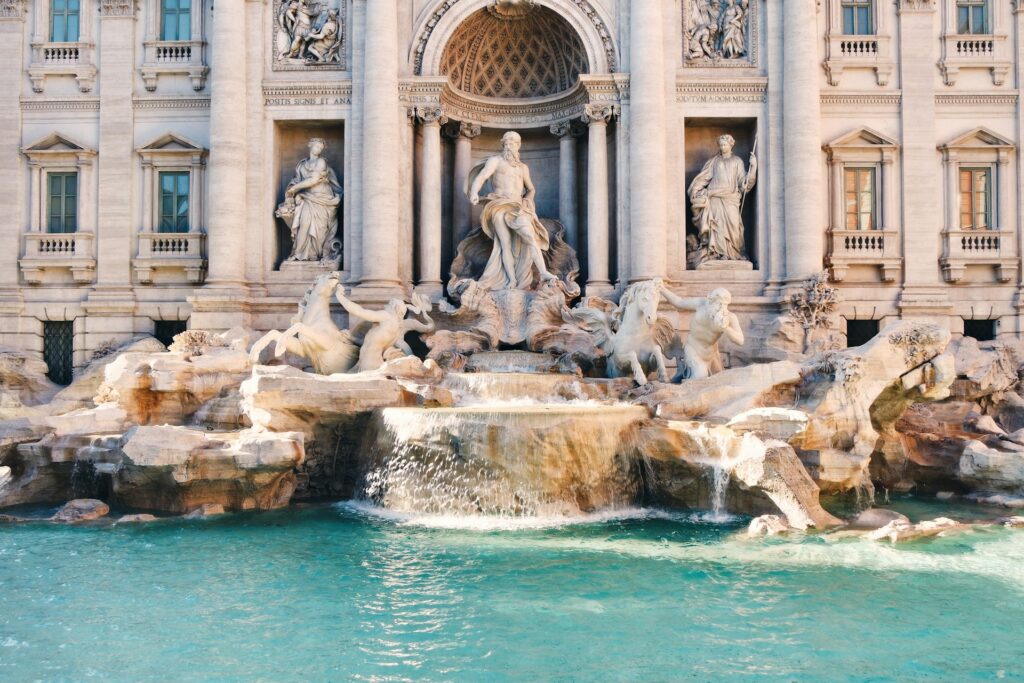 Photo by Michele Bitetto on Unsplash
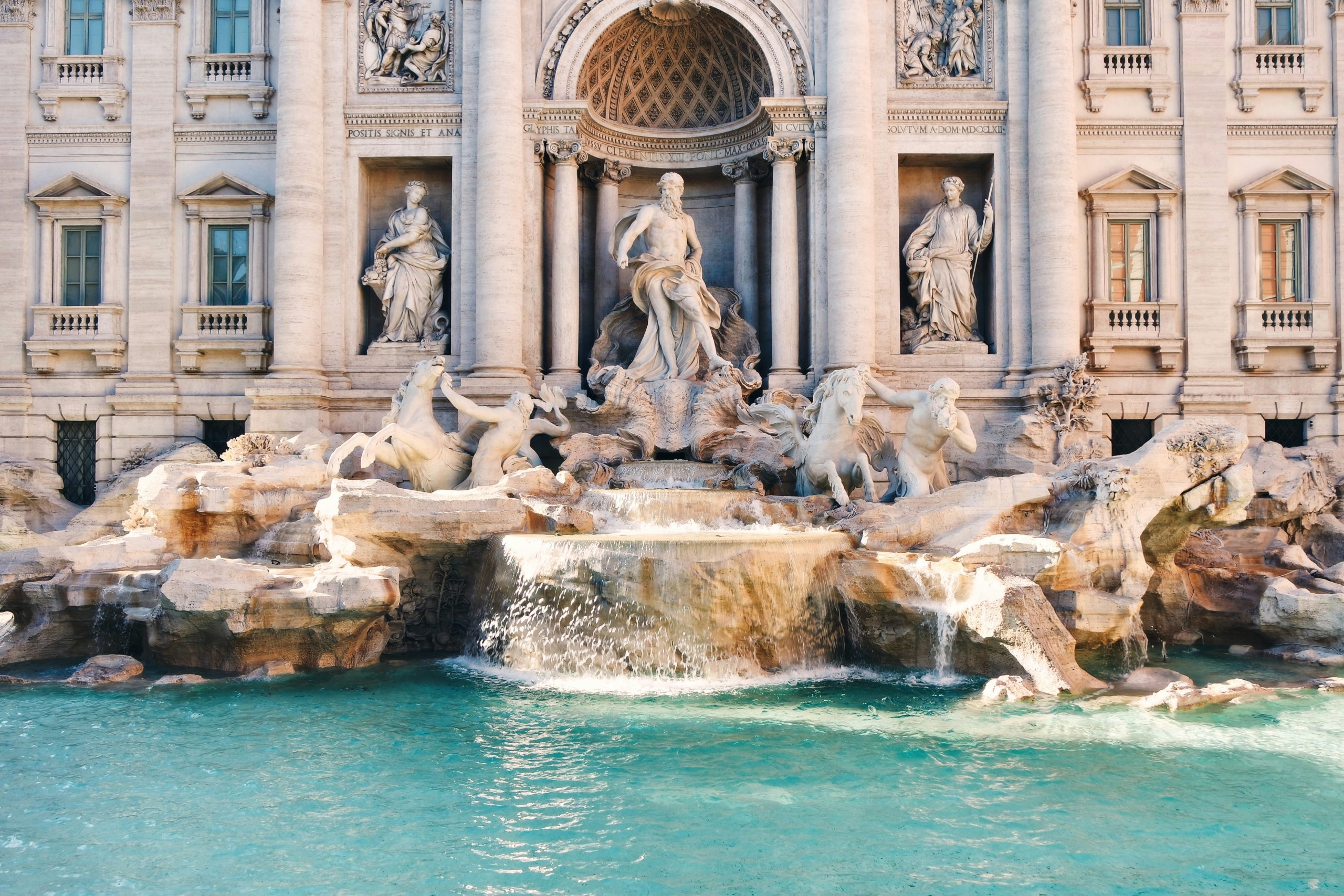
Throw a Coin in the Trevi Fountain
This baroque masterpiece is Rome’s most famous fountain, and tradition holds that a coin tossed over the shoulder guarantees a return to the city.
Practical info
Best time to visit Rome
-
Mar Apr May
Spring Mar – May Ideal
One of the best times to visit, with comfortable temperatures and manageable crowds before the summer peak season.
-
Jun Jul Aug
Summer Jun – Aug Hot
Very hot and extremely crowded, with long queues at major sights, so plan sightseeing for the morning or evening if visiting during this period.
-
Sep Oct Nov
Autumn Sep – Nov Ideal
Another excellent season, with warm days, fewer crowds than summer and comfortable conditions for extended walking.
-
Dec Jan Feb
Winter Dec – Feb Mild
Mild by northern European standards, with far fewer crowds at major sights and a festive atmosphere around Christmas.
Getting around Rome
-
Airport to city centre
Rome Fiumicino Airport is around 30 km from the centre, with the Leonardo Express train taking around 32 minutes into the city.
-
Walking
The historic centre is compact but genuinely packed with sights, so plan for significant walking between the Pantheon, Trevi Fountain and Piazza Navona.
-
Metro
Rome’s metro network is more limited than other major capitals but useful for reaching the Colosseum, Vatican and outer neighbourhoods.
-
Buses
An extensive bus network covers areas the metro doesn’t reach, though routes can be complex for first-time visitors.
-
Organised tours
Skip-the-line tours for the Colosseum and Vatican are widely available and can save significant time given the popularity of these sights.
-
Avoid driving in the centre
Rome’s historic centre has restricted traffic zones (ZTL), and driving is genuinely more hassle than it is worth for visitors.
Know before you go
-
Book major sights months in advance
The Colosseum and Vatican Museums are genuinely among the most popular attractions in the world, and tickets should be booked as early as possible.
-
Dress modestly for religious sites
Shoulders and knees should be covered to enter St Peter’s Basilica and other major churches, and this is strictly enforced.
-
Card payments are widely accepted
Most restaurants, shops and attractions in Rome take cards, though it is worth carrying some cash for smaller stalls.
-
Wear comfortable shoes
Rome’s historic centre involves plenty of walking on cobbled streets, so comfortable footwear makes a genuine difference.
-
Watch for pickpockets at major sites
Crowded spots like the Colosseum, Trevi Fountain and major metro lines can attract pickpockets, so keep valuables secure.
Suggested itineraries for Rome
If we were visiting Rome for the first time, this is how we would spend our time.
1 Day
Rome Highlights
A compact route focused on Rome’s essential ancient and religious landmarks.
- Morning The Colosseum and Roman Forum
- Lunch Cacio e pepe near the historic centre
- Afternoon The Pantheon and Trevi Fountain
- Evening Dinner and drinks in Trastevere
Weekend
The balanced city break
A two-day plan mixing Rome’s ancient history with the Vatican and its neighbourhoods.
- Day 1 Colosseum, Roman Forum and the Pantheon
- Day 2 Vatican Museums, Sistine Chapel and St Peter’s Basilica
- Evening Dinner and drinks in Trastevere
5–7 Days
Rome in Depth
A slower trip with time for the city’s highlights plus deeper exploring and day trips into the surrounding region.
5 full days to explore, with arrival and departure days left for travel.
- Day 1 Colosseum, Roman Forum and Palatine Hill
- Day 2 Vatican Museums, Sistine Chapel and St Peter’s Basilica
- Day 3 The Pantheon, Trevi Fountain and Villa Borghese
- Day 4 Trastevere and Testaccio
- Day 5 Day trip to Ostia Antica or Tivoli
Book your Rome trip
Add your dates, then compare places to stay, flights and things to do across trusted travel sites.
Hotels, apartments and holiday homes in Rome for your dates.
Choose where to continue your search:
Choose where to continue your search:
Tours, tickets and activities in Rome.
Choose where to continue your search:
Other destinations to consider
Explore other essential European capitals with comparable monument density, ancient history and cultural significance.
-

Paris
The world’s most-visited city, a global capital of art, fashion and gastronomy with an unmatched density of iconic landmarks.
-
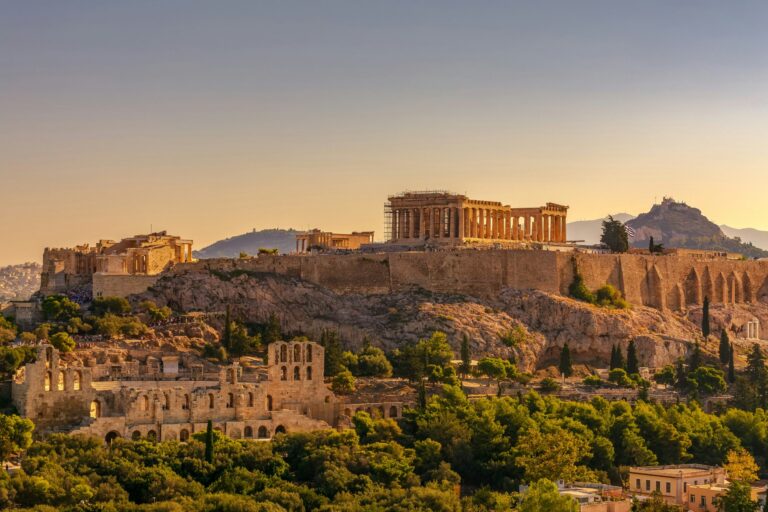
Athens
The birthplace of democracy, where the Acropolis rises above lively neighbourhoods, rooftop bars and one of Europe’s best food scenes.
-
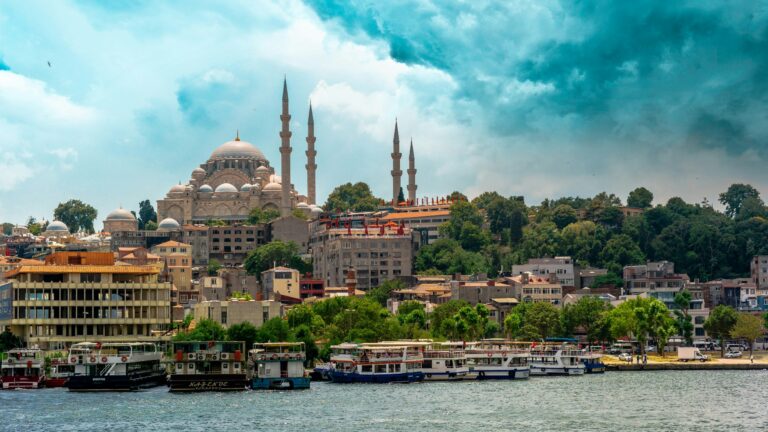
Istanbul
A city straddling Europe and Asia, layered with Byzantine and Ottoman history, great bazaars and Bosphorus views.
-
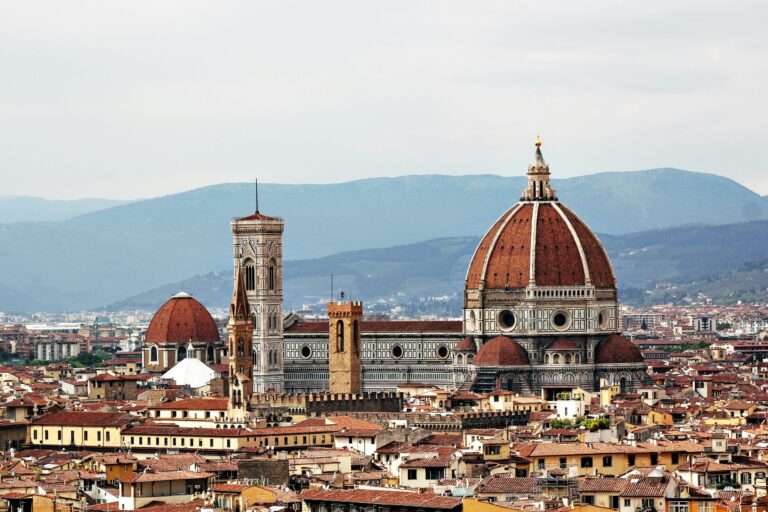
Florence
The cradle of the Renaissance, with world-class art, Brunelleschi’s dome, elegant piazzas and outstanding Tuscan food and wine.
Plan your Rome trip
Keep flights, stays and day-by-day plans together in one place, with ideas from this guide ready to add. It’s free and nothing to sign up for.
Start planning-
Somewhere like Rome
Loved the sound of Rome? Discover suggests other places with a similar feel.
-
Book your trip
Compare places to stay, flights and experiences for your dates.
-
Travel essentials
Find travel insurance, eSIMs, cabin bags, adapters and more.
-
More travel tools
Weather by month, currency conversion, packing lists and trip budgets.
In development
The Premium Rome Guide is coming soon
We’re researching and creating our comprehensive Rome Guide: the places we’d send a friend, with a map on your phone that takes you straight to them.
What’s inside
- Personally chosen restaurants, cafés and bars
- Neighbourhood guides and hidden gems
- Scenic walks and photography spots
- An interactive map of every recommendation
£9.99 one-off, including the map