

Murcia Travel Guide
A practical introduction to Murcia, including why to visit, what to see, where to stay, local food and how to plan a break in this under-touristed Spanish city of Baroque art and orchard country.
- Country
- Spain
- Currency
- Euro € / EUR
- Language
- Spanish
- Airport
- Murcia (RMU)
- Local time
- 16:39
About Murcia
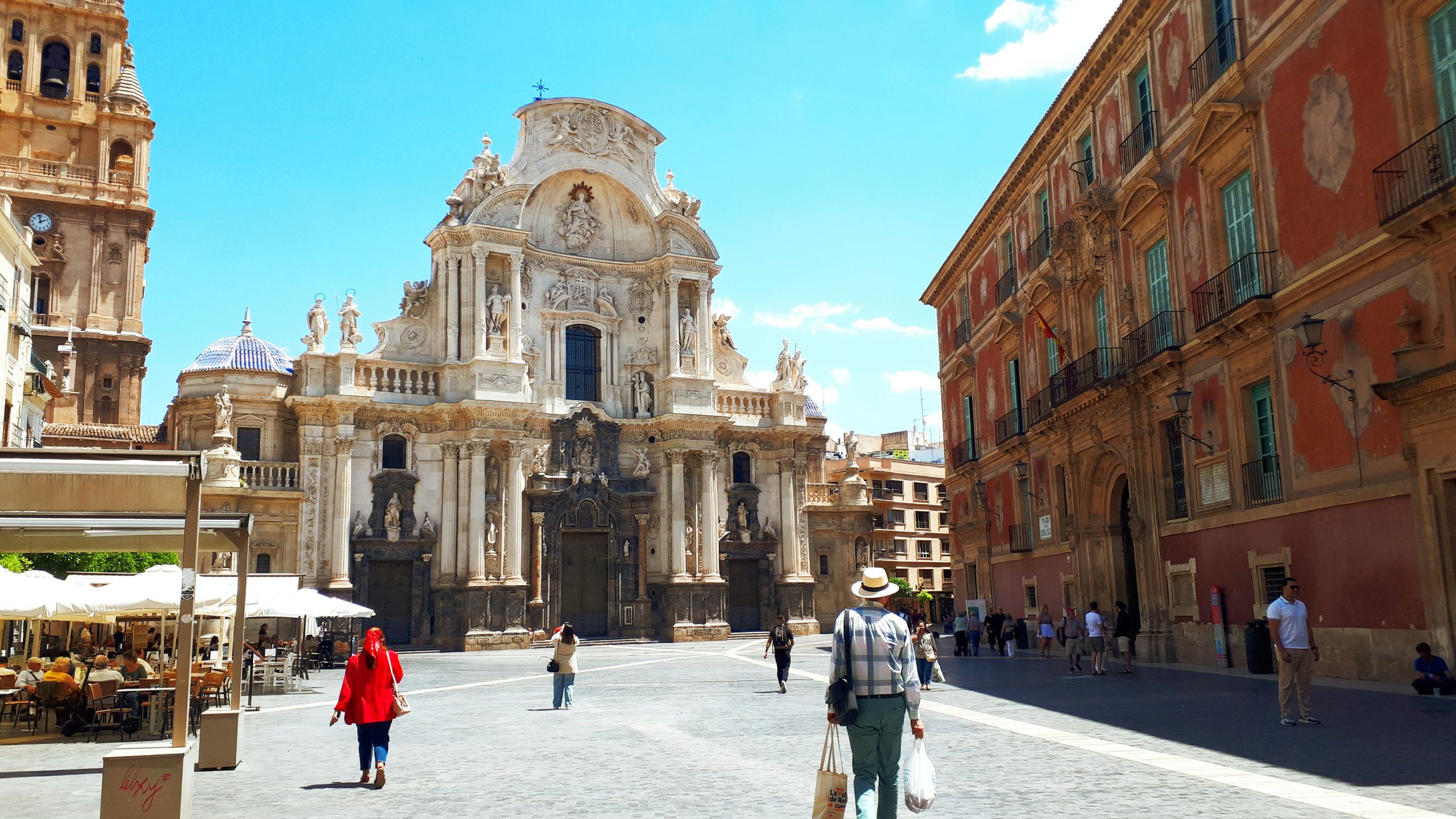
Murcia is a lively regional capital in southeastern Spain, known for its magnificent Baroque architecture, traditional tapas culture and the fertile agricultural countryside that surrounds it. The impressive Cathedral of Santa María dominates the historic centre, with its richly decorated façade overlooking the attractive Plaza del Cardenal Belluga, while nearby pedestrianised streets are filled with independent shops, bustling cafés and traditional restaurants. Murcia has a particularly strong artistic heritage through the work of Francisco Salzillo, whose remarkable religious sculptures can be admired at the Salzillo Museum and during the city’s famous Holy Week processions. The region’s reputation as the orchard of Europe is reflected in its excellent fresh produce, colourful markets and local cuisine, including dishes such as zarangollo and marineras. With a large university population, pleasant riverside walks along the Segura and relatively few international tourists, Murcia offers visitors an opportunity to experience everyday Spanish city life away from the busier coastal resorts.
MapMagnet Picks
These are the Murcia experiences we think most first-time visitors should prioritise.
-
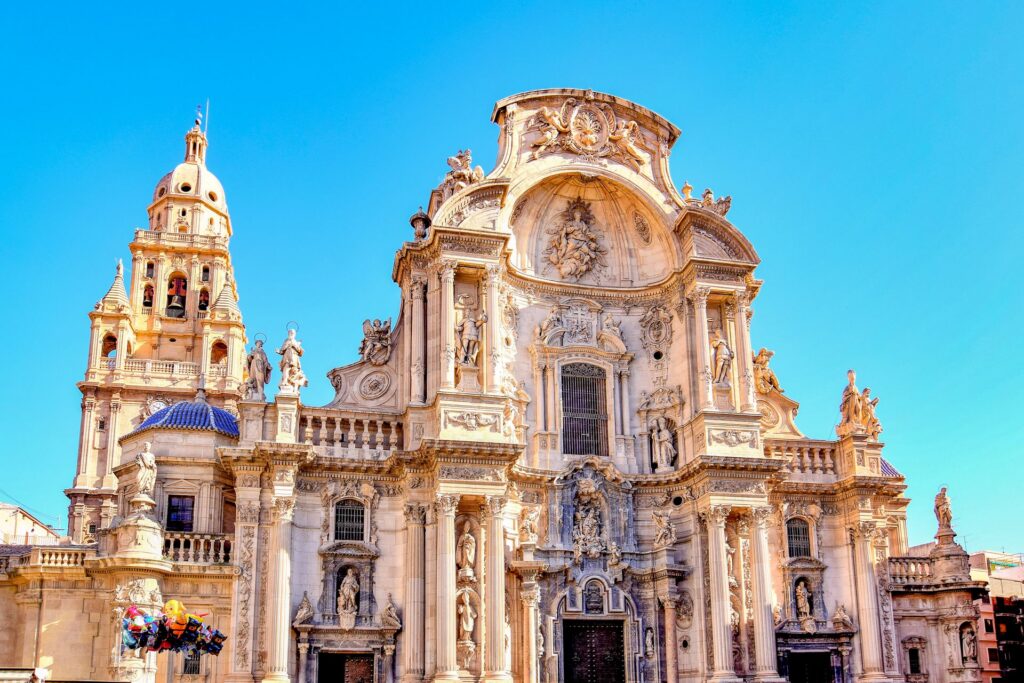 Photo: Emilio Sánchez Hernández / pexels.com
Visit Murcia Cathedral
This striking Baroque cathedral, with its ornate facade and climbable tower, anchors the historic centre and offers sweeping views over the city.
-
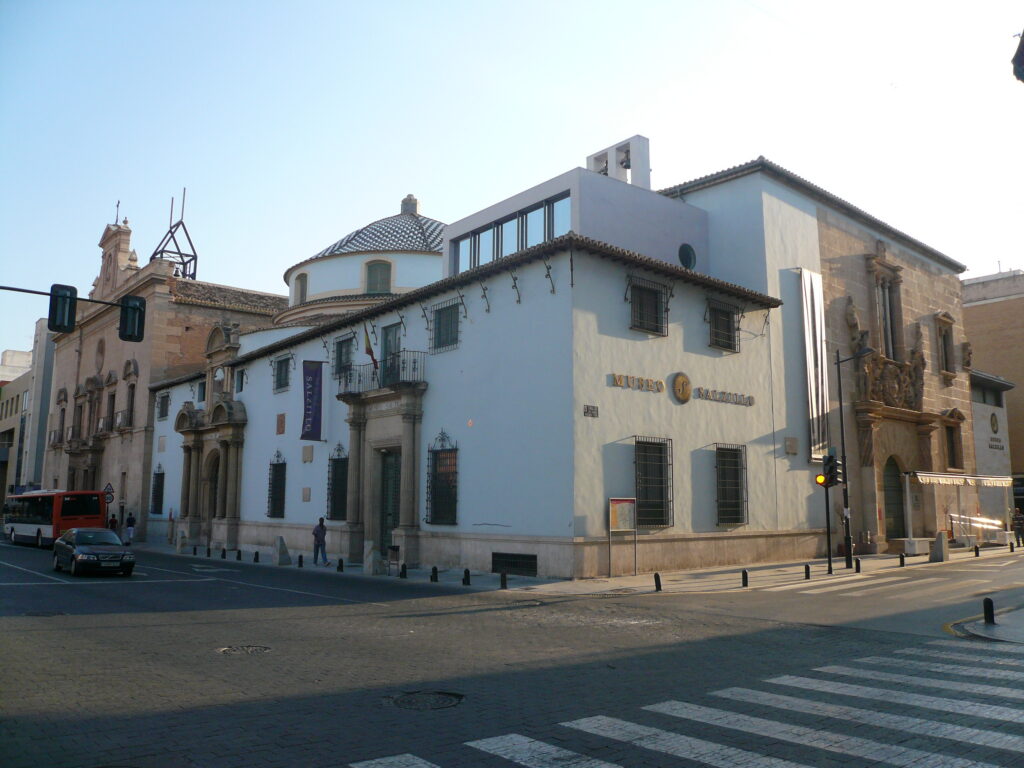 Photo: Museo Salzillo, Murcia by Weedo / CC BY-SA 3.0 ES
See Salzillo’s Sculptures
The Museo Salzillo houses the extraordinary religious sculptures of Francisco Salzillo, among the finest examples of Baroque devotional art anywhere in Spain.
-
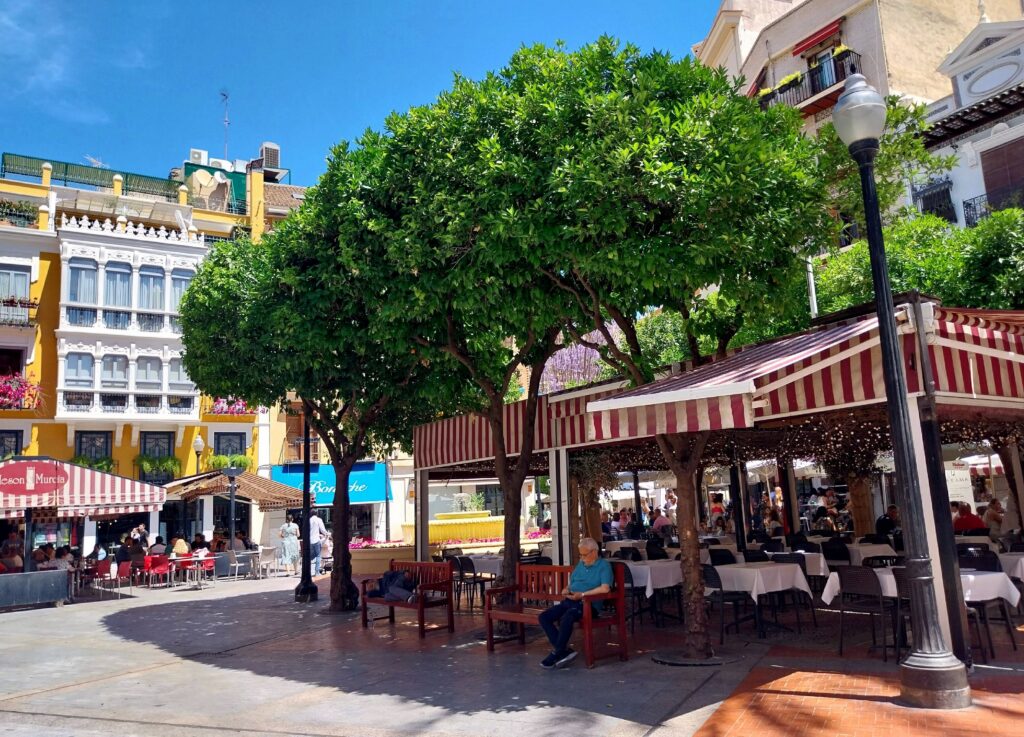
Wander Plaza de las Flores
This charming, flower-lined square is one of the most atmospheric places in Murcia to sit with a coffee and watch daily life unfold.
Practical info
Best time to visit Murcia
-
Mar Apr May
Spring Mar – May Ideal
The best time to visit, home to both Semana Santa processions and the colourful Bando de la Huerta festival celebrating the region’s agricultural heritage.
-
Jun Jul Aug
Summer Jun – Aug Hot
Very hot, with temperatures regularly exceeding 35°C, so plan sightseeing for the morning or evening and rest during the hottest hours.
-
Sep Oct Nov
Autumn Sep – Nov Good
A pleasant, quieter time to visit, with comfortable temperatures and fewer crowds than spring.
-
Dec Jan Feb
Winter Dec – Feb Mild
Mild by northern European standards, making Murcia a pleasant, quiet winter city break option.
Getting around Murcia
-
Airport to city centre
Región de Murcia International Airport is around 25 km from the centre, with a bus taking around 30–40 minutes.
-
Walking
The historic centre is compact and pedestrian-friendly, with the cathedral, Museo Salzillo and main squares all within easy walking distance.
-
Local buses
City buses are useful for reaching neighbourhoods slightly further from the centre, including the university area.
-
Train connections
Murcia’s train station has connections to Cartagena, Alicante and Madrid, useful for combining with other regional destinations.
-
Car for the wider region
A car is genuinely useful for exploring the Mar Menor, Jumilla wine region or other parts of the Region of Murcia at your own pace.
-
Bus to the Mar Menor
Regular buses connect Murcia to the Mar Menor coastline, making a beach day out straightforward without a car.
Know before you go
-
Book ahead for Semana Santa
Accommodation fills up quickly during Holy Week, so book well in advance if visiting during this period.
-
Card payments are widely accepted
Most restaurants, shops and attractions in Murcia take cards, though it is worth carrying some cash for smaller stalls and markets.
-
Plan around the summer heat
If visiting in July or August, save walking-heavy sightseeing for the morning and evening rather than the middle of the day.
-
Wear comfortable shoes
The historic centre’s streets are compact but involve enough walking to make comfortable footwear worthwhile.
-
Take huerta food seriously
Murcia’s fresh produce is a genuine source of local pride, and dishes built around it reward more attention than a quick tourist meal.
Suggested itineraries for Murcia
If we were visiting Murcia for the first time, this is how we would spend our time.
1 Day
Murcia Highlights
A compact route focused on Murcia’s Baroque art and historic centre.
- Morning Murcia Cathedral and Plaza Cardenal Belluga
- Lunch Zarangollo or huerta produce at a traditional restaurant
- Afternoon Museo Salzillo and the Real Casino de Murcia
- Evening Drinks and paparajotes around Plaza de las Flores
Weekend
The balanced city break
A two-day plan mixing Murcia’s Baroque art, historic centre and huerta food culture.
- Day 1 Murcia Cathedral, Museo Salzillo and Plaza de las Flores
- Day 2 Real Casino de Murcia and a huerta market visit
- Evening Tapas and Jumilla wine in the historic centre
5–7 Days
Murcia and the Region
A slower trip with time for the city’s highlights plus day trips into the surrounding coast and countryside.
5 full days to explore, with arrival and departure days left for travel.
- Day 1 Murcia Cathedral, Museo Salzillo and Plaza de las Flores
- Day 2 Real Casino de Murcia and the Segura riverside
- Day 3 Day trip to Cartagena
- Day 4 Day trip to the Mar Menor
- Day 5 Day trip to the Jumilla wine region or Caravaca de la Cruz
Book your Murcia trip
Add your dates, then compare places to stay, flights and things to do across trusted travel sites.
Hotels, apartments and holiday homes in Murcia for your dates.
Choose where to continue your search:
Choose where to continue your search:
Tours, tickets and activities in Murcia.
Choose where to continue your search:
Other destinations to consider
Explore other destinations with the same serious Baroque art heritage, devotional tradition or fertile agricultural identity.
-
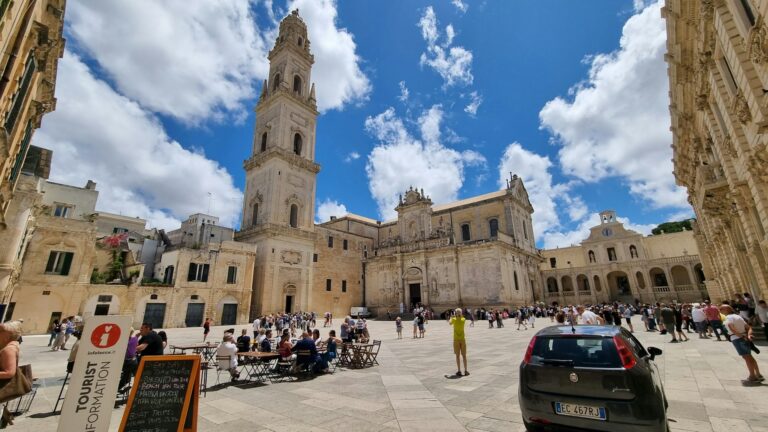 Photo by Lucie van Beek on Unsplash
Lecce
The Baroque capital of Salento, with golden limestone churches, a Roman amphitheatre and the coast on its doorstep.
-
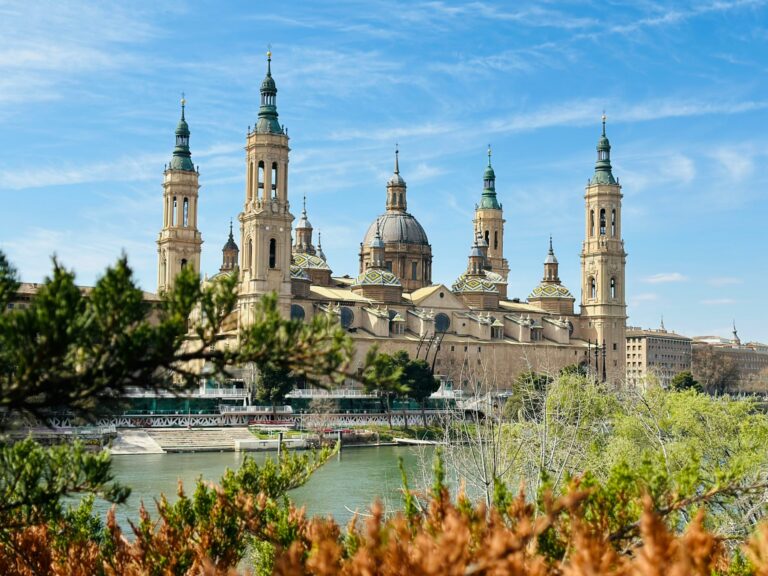
Zaragoza
A substantial, under-the-radar Spanish capital with the Basilica del Pilar, the Moorish Aljafería and great tapas in El Tubo.
-
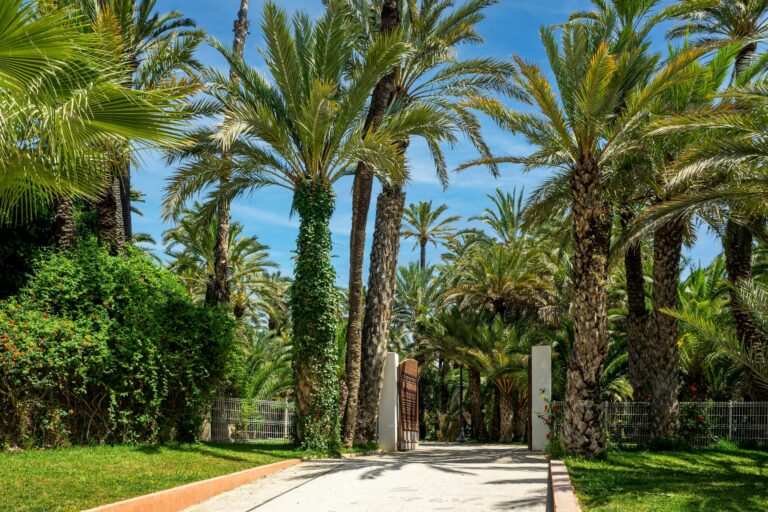
Elche
An authentic Costa Blanca city set among Europe’s largest palm grove, with UNESCO heritage, relaxed plazas and beaches nearby.
-
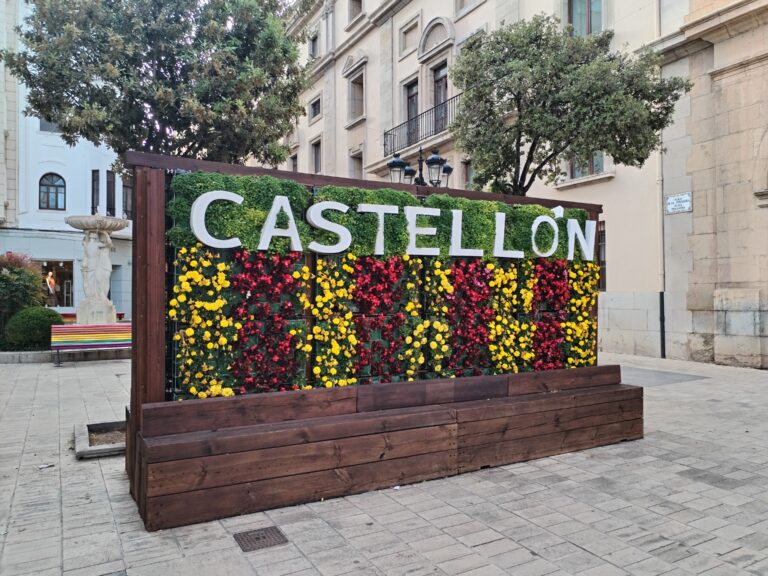 © MapMagnet
Castellón
An authentic, easy-going Mediterranean city with broad beaches, leafy parks and lively plazas, and mountains and coast close by.
Plan your Murcia trip
Keep flights, stays and day-by-day plans together in one place, with ideas from this guide ready to add. It’s free and nothing to sign up for.
Start planning-
Somewhere like Murcia
Loved the sound of Murcia? Discover suggests other places with a similar feel.
-
Book your trip
Compare places to stay, flights and experiences for your dates.
-
Travel essentials
Find travel insurance, eSIMs, cabin bags, adapters and more.
-
More travel tools
Weather by month, currency conversion, packing lists and trip budgets.
In development
The Premium Murcia Guide is coming soon
We’re researching and creating our comprehensive Murcia Guide: the places we’d send a friend, with a map on your phone that takes you straight to them.
What’s inside
- Personally chosen restaurants, cafés and bars
- Neighbourhood guides and hidden gems
- Scenic walks and photography spots
- An interactive map of every recommendation
£9.99 one-off, including the map