

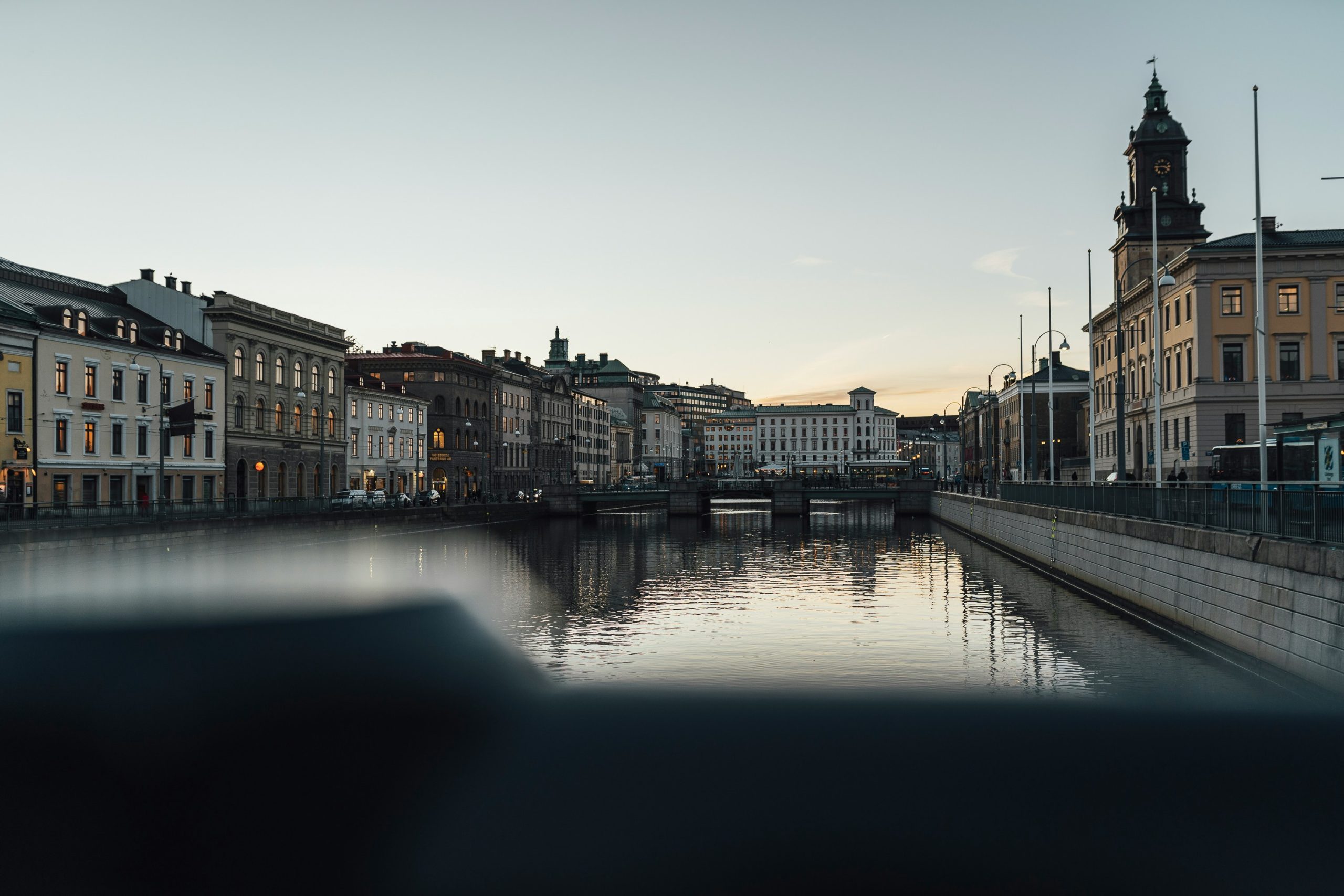
Gothenburg Travel Guide
A practical introduction to Gothenburg, including why to visit, what to see, where to stay, local food and how to plan a relaxed West Coast Swedish city break built around fika, harbour life and island escapes.
- Country
- Sweden
- Currency
- Swedish Krona / SEK
- Language
- Swedish
- Airport
- Landvetter (GOT)
- Local time
- 16:39
About Gothenburg
Gothenburg is Sweden’s second-largest city, with a rich maritime heritage, attractive waterfront districts and a relaxed atmosphere that sets it apart from Stockholm. Built around its busy harbour and historic canals, the city is known for its traditional trams, excellent seafood restaurants and thriving café culture. The charming Haga neighbourhood is particularly popular for its cobbled streets, wooden houses, independent shops and cosy cafés serving enormous cinnamon buns known as hagabullar. Elsewhere, the lively streets around Linné and Magasinsgatan are filled with craft beer bars, stylish restaurants and Scandinavian design shops, while the beautiful Slottsskogen park provides plenty of green space close to the centre. Just a short tram and ferry journey away, Gothenburg’s southern archipelago offers picturesque fishing villages, rocky beaches and peaceful islands largely free from cars, making it easy to combine a city break with time exploring Sweden’s beautiful west coast.
MapMagnet Picks
These are the Gothenburg experiences we think most first-time visitors should prioritise.
-
 Photo:
"Hagabullen" by Café Husaren is licensed under CC BY-SA 4.0.
Fika in Haga
Gothenburg’s oldest neighbourhood, lined with wooden houses and cobbled streets, is the best place to properly experience fika, Sweden’s cherished coffee-and-cake ritual.
-
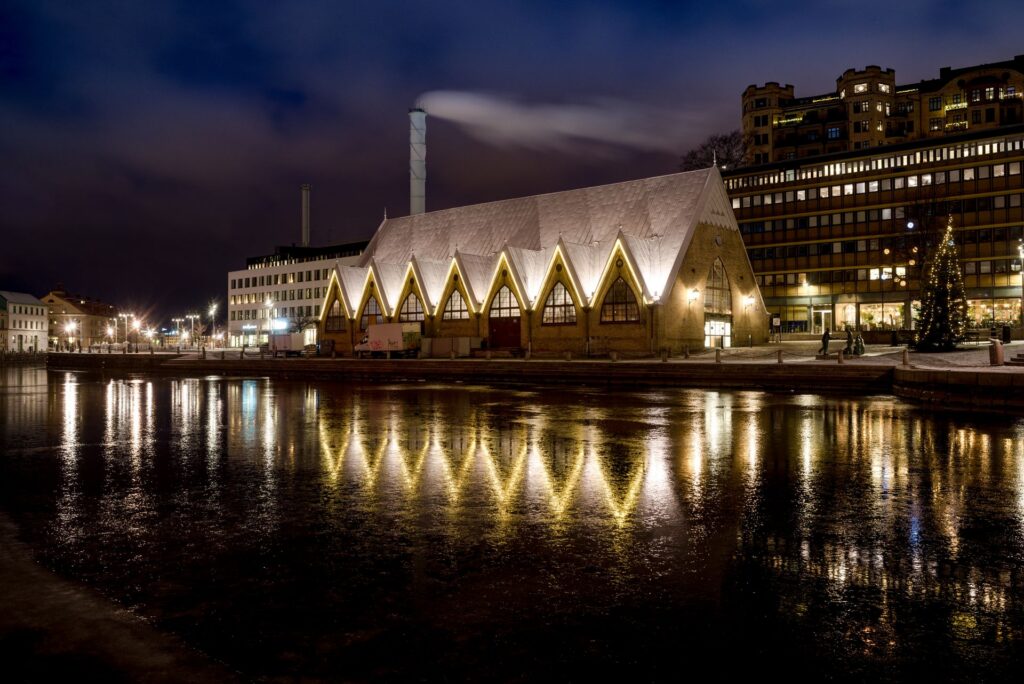 Photo: Pixabay / pexels.com
Explore Feskekôrka
This 19th-century fish market, built to resemble a Gothic church, is the heart of Gothenburg’s seafood culture and a must for any visit.
-
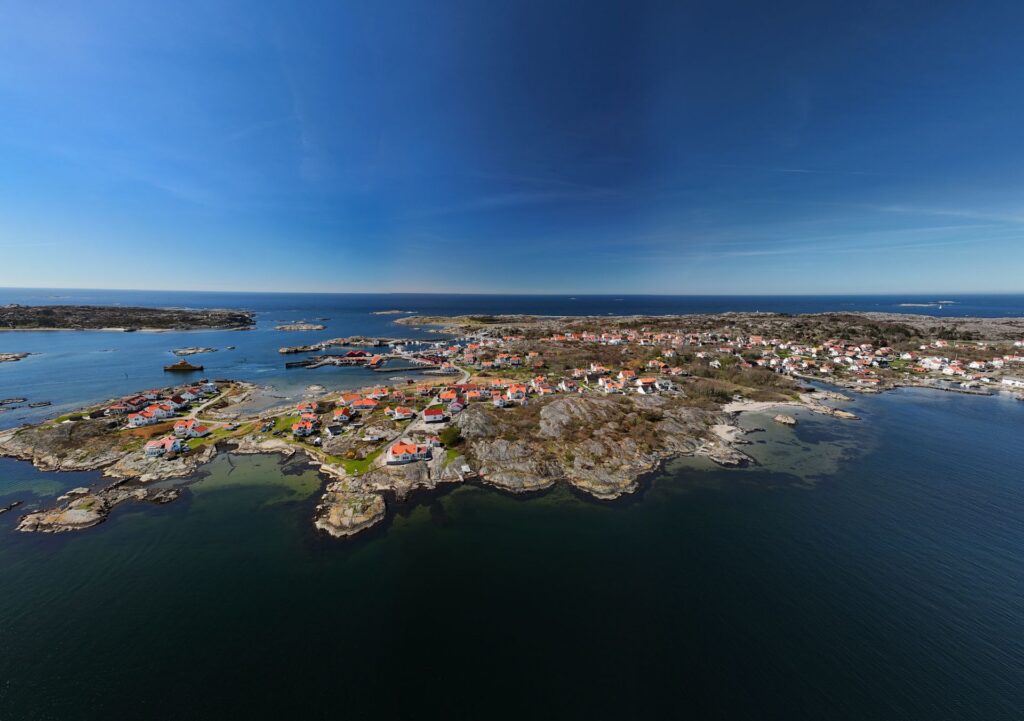 Photo: Zsolt B / pexels.com
Take a Boat to the Archipelago
Just a short ferry ride from the city centre, the car-free southern archipelago islands offer beaches, fishing villages and a completely different pace of life.
Practical info
Best time to visit Gothenburg
-
Mar Apr May
Spring Mar – May Good
A quiet and pleasant time to visit, with mild temperatures and fewer crowds around the city’s main sights.
-
Jun Jul Aug
Summer Jun – Aug Ideal
The best season for the archipelago, with warm weather, swimming and outdoor dining, though also the busiest and most expensive time to visit.
-
Sep Oct Nov
Autumn Sep – Nov Quiet
A quieter, cosy time to visit, well suited to café culture and museum visits as the weather turns cooler.
-
Dec Jan Feb
Winter Dec – Feb Cold
Cold and dark, but atmospheric, with festive Liseberg Christmas markets and plenty of cosy fika spots to retreat to.
Getting around Gothenburg
-
Airport to city centre
Gothenburg Landvetter Airport is around 25 km from the centre, with the Flygbussarna airport bus taking around 30–40 minutes.
-
Walking
The city centre and Haga are compact and pedestrian-friendly, with most central sights comfortably reached on foot.
-
Trams
Gothenburg’s tram network is extensive, efficient and a genuine part of the city’s identity, making it the easiest way to reach most neighbourhoods.
-
Archipelago ferries
Ferries to the southern archipelago depart from Saltholmen, reachable by tram, and are included in the city’s public transport network.
-
Train connections
Gothenburg Central Station has fast connections to Stockholm, Malmö and onward into Denmark and Norway.
-
Car not essential
You do not need a car for Gothenburg itself, and the southern archipelago islands are largely car-free. A car is mainly useful for reaching Läckö Castle or rural coastal areas.
Know before you go
-
Sweden is largely cashless
Card and mobile payments are used for almost everything in Gothenburg, and some places do not accept cash at all.
-
Sweden uses the krona, not the euro
Despite being in the EU, Sweden has its own currency, so check exchange rates rather than assuming euros will be accepted.
-
Plan archipelago ferry times
Ferries to the southern archipelago run on a timetable, so check departure and return times before heading out for the day.
-
Pack for changeable coastal weather
Even in summer, West Coast weather can change quickly, so bring a light layer regardless of season.
-
Take fika seriously
Fika is a proper social ritual in Gothenburg, not just a coffee break, so slow down and enjoy it rather than rushing through.
Suggested itineraries for Gothenburg
If we were visiting Gothenburg for the first time, this is how we would spend our time.
1 Day
Gothenburg Highlights
A compact route focused on Gothenburg’s historic centre and harbour.
- Morning Haga and fika at a traditional café
- Lunch Toast Skagen or seafood at Feskekôrka
- Afternoon Skansen Kronan and a Paddan canal boat tour
- Evening Dinner and a walk along the harbour
Weekend
The balanced city break
A two-day plan mixing the historic centre with a taste of the archipelago.
- Day 1 Haga, Feskekôrka and Skansen Kronan
- Day 2 Ferry to Styrsö or Vrångö for the day
- Evening Dinner in Linnéstaden and drinks along Linnégatan
5–7 Days
Gothenburg and the West Coast
A slower trip with time for the city’s highlights plus deeper exploring of the surrounding coast.
5 full days to explore, with arrival and departure days left for travel.
- Day 1 Haga, Feskekôrka and the city centre
- Day 2 Liseberg, Götaplatsen and the Museum of Art
- Day 3 Ferry to the southern archipelago
- Day 4 Day trip to Marstrand
- Day 5 Day trip to Läckö Castle or Varberg
Book your Gothenburg trip
Add your dates, then compare places to stay, flights and things to do across trusted travel sites.
Hotels, apartments and holiday homes in Gothenburg for your dates.
Choose where to continue your search:
Choose where to continue your search:
Tours, tickets and activities in Gothenburg.
Choose where to continue your search:
Other destinations to consider
Explore other destinations with the same unpretentious harbour-city energy, café culture and easy access to dramatic coastal nature.
-
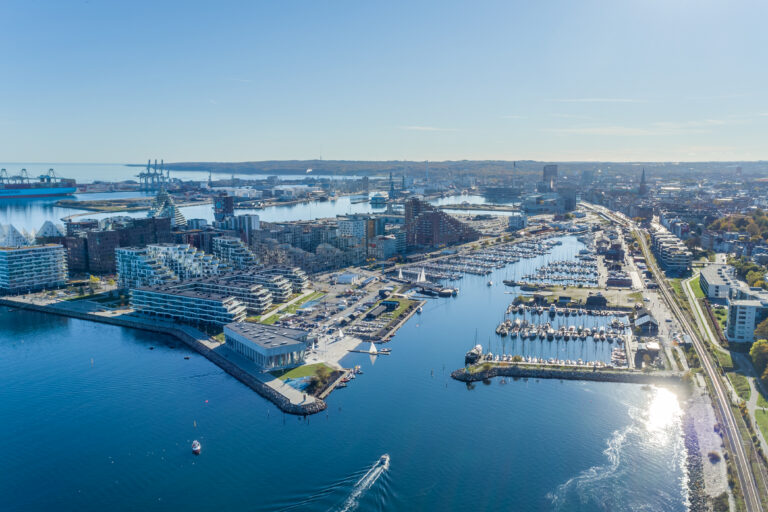
Aarhus
A relaxed Danish city with cafés, cycling culture, waterfront districts and strong Scandinavian lifestyle appeal.
-
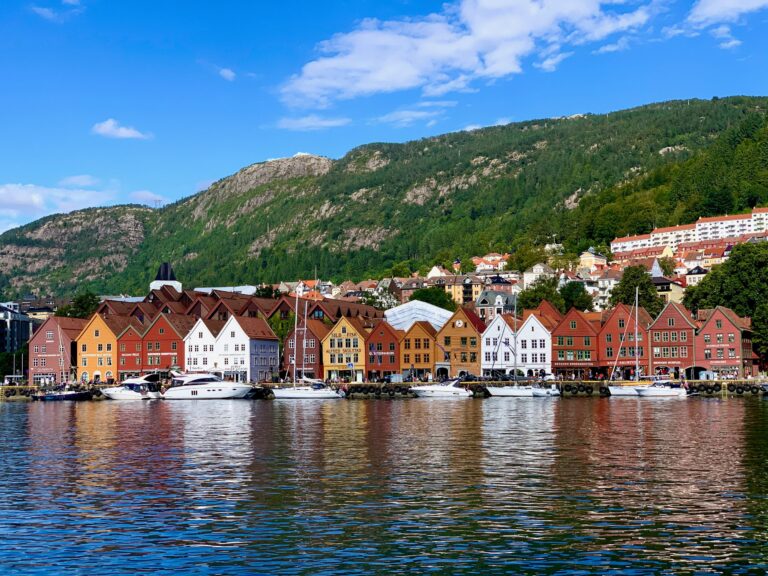
Bergen
A colourful harbour city ringed by mountains, with a UNESCO-listed wharf, superb seafood and Norway’s famous fjords right on the doorstep.
-
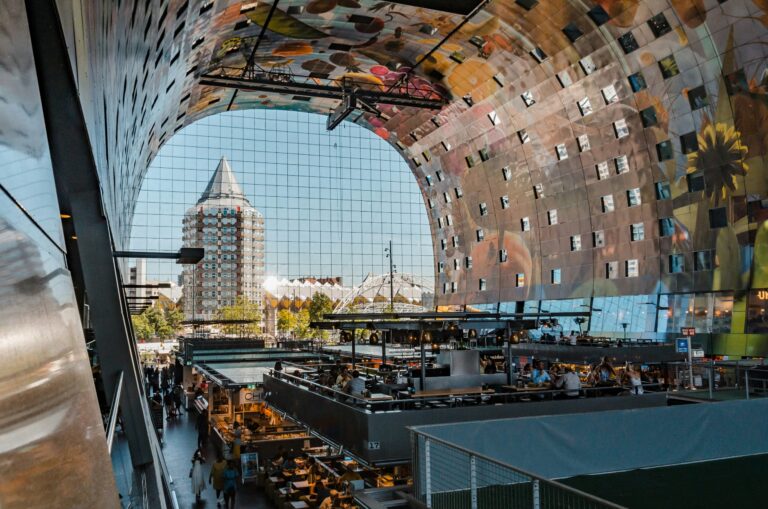
Rotterdam
Europe’s biggest port, rebuilt after WWII into a bold showcase of modern architecture with a hardworking, unpretentious character.
-
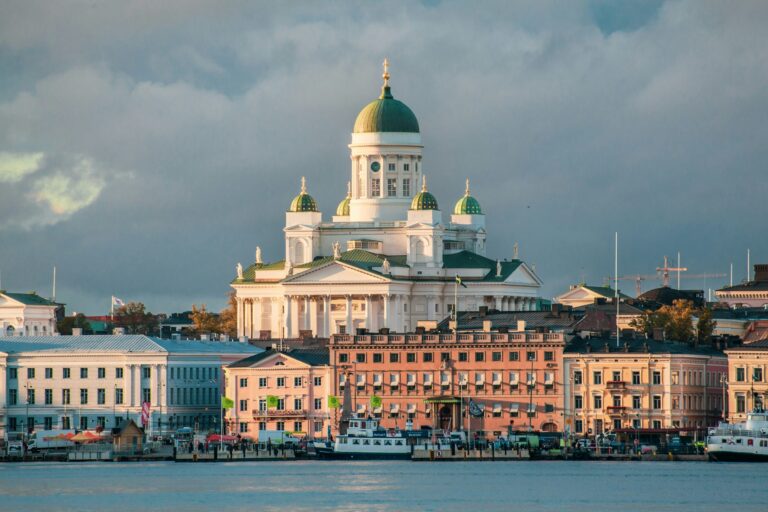
Helsinki
A Nordic capital built around Baltic islands, with a UNESCO sea fortress, world-class design and genuine sauna culture.
Plan your Gothenburg trip
Keep flights, stays and day-by-day plans together in one place, with ideas from this guide ready to add. It’s free and nothing to sign up for.
Start planning-
Somewhere like Gothenburg
Loved the sound of Gothenburg? Discover suggests other places with a similar feel.
-
Book your trip
Compare places to stay, flights and experiences for your dates.
-
Travel essentials
Find travel insurance, eSIMs, cabin bags, adapters and more.
-
More travel tools
Weather by month, currency conversion, packing lists and trip budgets.
In development
The Premium Gothenburg Guide is coming soon
We’re researching and creating our comprehensive Gothenburg Guide: the places we’d send a friend, with a map on your phone that takes you straight to them.
What’s inside
- Personally chosen restaurants, cafés and bars
- Neighbourhood guides and hidden gems
- Scenic walks and photography spots
- An interactive map of every recommendation
£9.99 one-off, including the map