

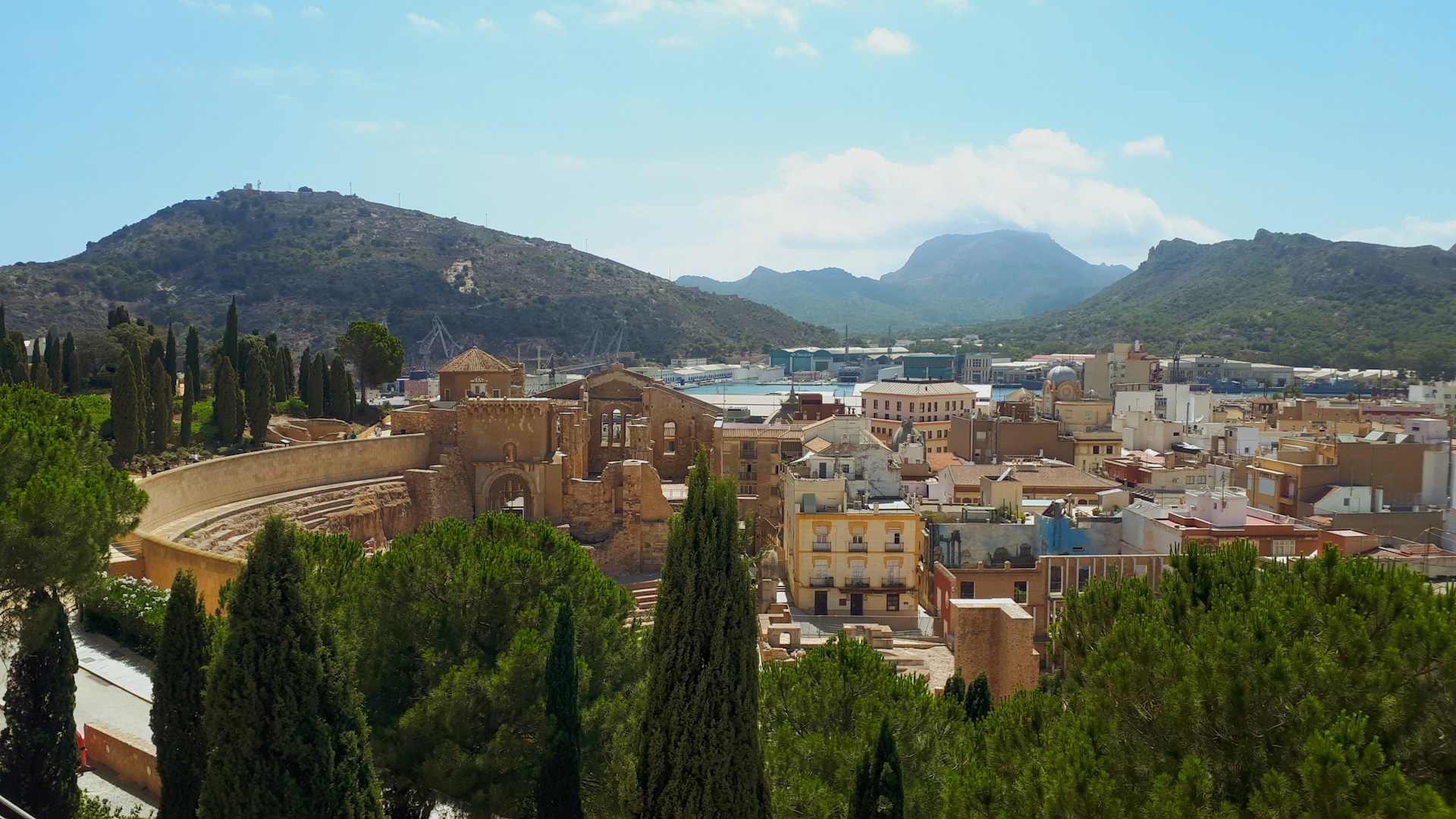
Cartagena Travel Guide
A practical introduction to Cartagena, including why to visit, what to see, where to stay, local food and how to plan a break in this layered Spanish port city of Roman ruins and naval heritage.
Photo by joanna hall on Unsplash
- Country
- Spain
- Currency
- Euro € / EUR
- Language
- Spanish
- Airport
- Murcia (Corvera) (RMU)
- Local time
- 16:39
About Cartagena
Cartagena is a historic port city on Spain’s Mediterranean coast, with more than 2,000 years of history visible in its Roman ruins, elegant Modernist buildings and longstanding naval traditions. Founded by the Carthaginians and later an important Roman settlement, the city is home to a remarkably well-preserved Roman Theatre, ancient defensive walls and fascinating archaeological sites scattered throughout its centre. The wealth generated by the region’s 19th-century mining industry left behind impressive architecture, particularly along the pedestrianised Calle Mayor, while the busy harbour remains closely connected to Spain’s naval heritage. Visitors can explore the National Museum of Underwater Archaeology, enjoy waterfront restaurants and cafés, or take in views across the port from the hilltop Castillo de la Concepción. With its layered history, attractive streets and relatively modest tourist crowds, Cartagena offers a different perspective on Spain’s Mediterranean coast.
MapMagnet Picks
These are the Cartagena experiences we think most first-time visitors should prioritise.
-
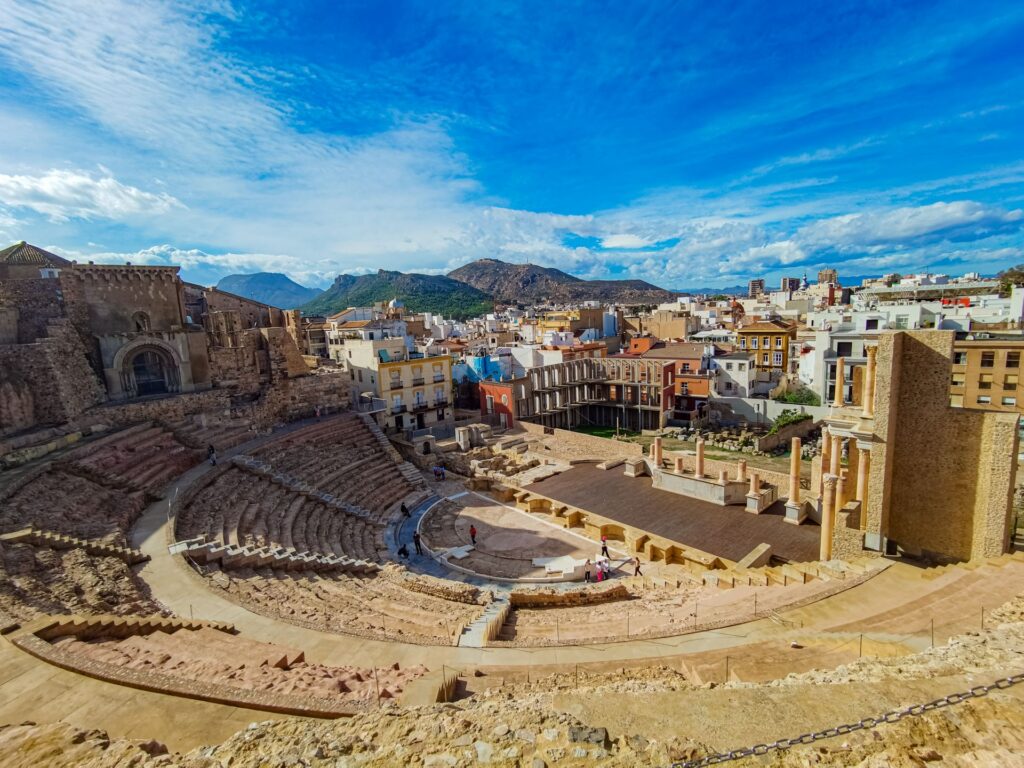 Photo: Javier Gallegos / pexels.com
Visit the Roman Theatre
This extensive, remarkably preserved Roman theatre, rediscovered beneath the city centre, offers a genuinely striking connection to Cartagena’s ancient origins.
-
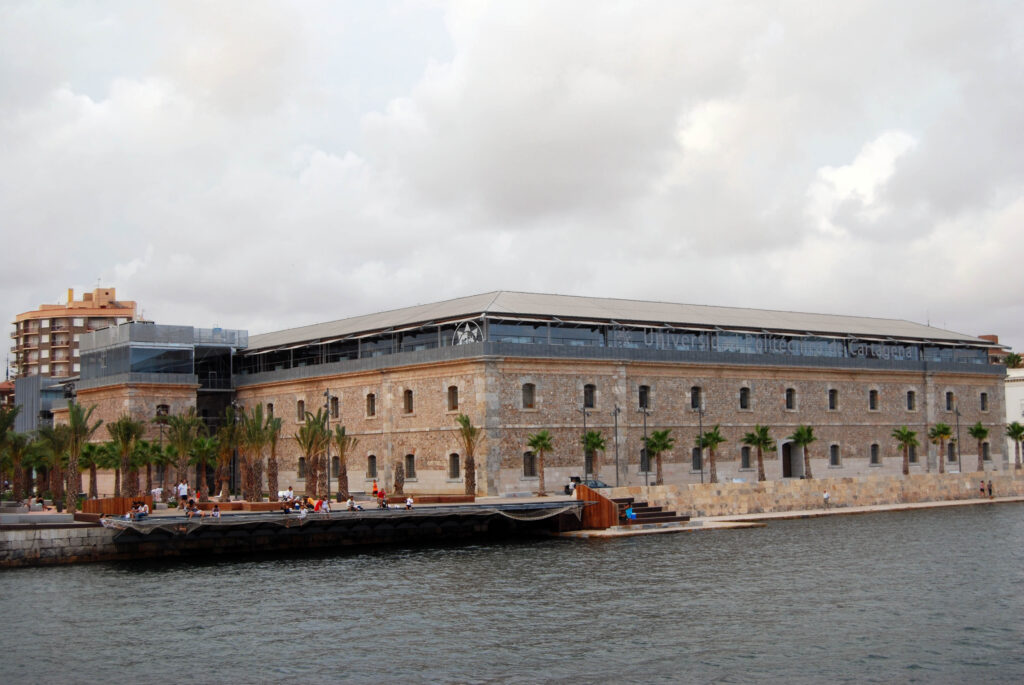 Photo:
"The Seamanship Instruction Barracks, Cartagena" by DraXus is licensed under CC BY 2.0.
Explore the Naval Museum
This excellent museum traces Cartagena’s centuries of real naval history, reflecting the city’s ongoing status as Spain’s principal Mediterranean naval base.
-
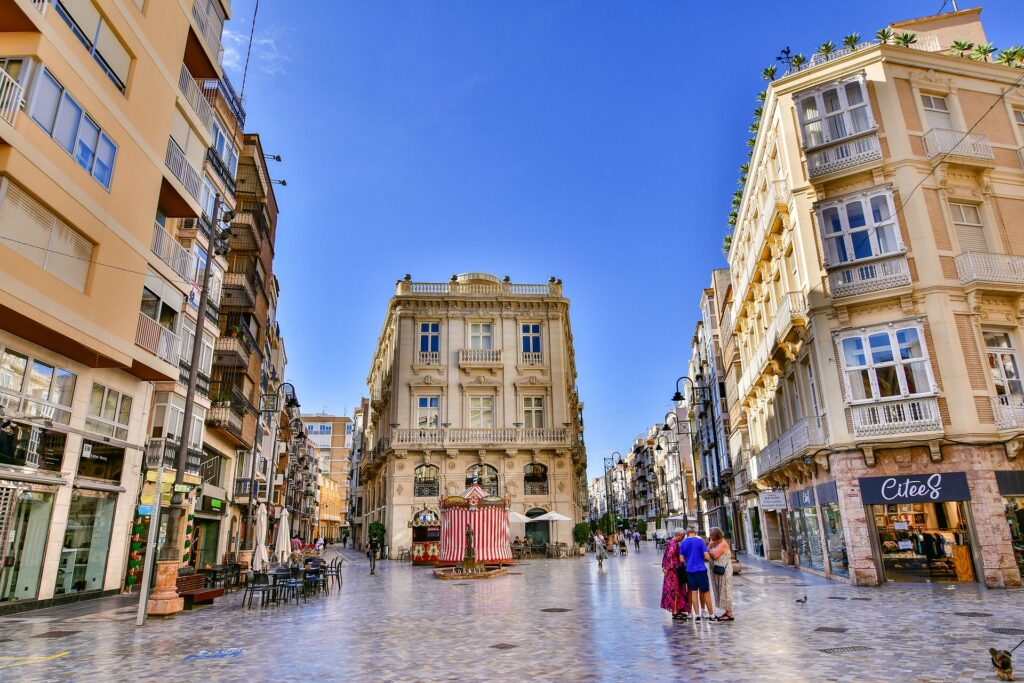 Photo: Emilio Sánchez Hernández / pexels.com
Wander the Modernist City Centre
Cartagena’s significant Modernist architectural ensemble, a legacy of a late-19th-century mining boom, offers a genuinely underrated architectural highlight.
Practical info
Best time to visit Cartagena
-
Mar Apr May
Spring Mar – May Ideal
A pleasant time to visit, with mild temperatures and comfortable conditions for exploring the historic centre on foot.
-
Jun Jul Aug
Summer Jun – Aug Hot
Hot and lively, with excellent conditions for combining city sightseeing with La Manga’s beaches.
-
Sep Oct Nov
Autumn Sep – Nov Ideal
An excellent season, with warm days, fewer crowds than summer and pleasant conditions for exploring the Roman ruins.
-
Dec Jan Feb
Winter Dec – Feb Mild
Mild by northern European standards, making Cartagena a genuinely comfortable winter city break option.
Getting around Cartagena
-
Airport to city centre
Región de Murcia International Airport is around 30 km from the centre, with a bus or taxi taking around 40 minutes.
-
Walking
The historic centre is compact and pedestrian-friendly, with the Roman Theatre and Modernist architecture all within easy walking distance.
-
Local buses
City buses cover areas beyond the compact historic centre, though most visitors find walking sufficient within the centre.
-
Train connections
Cartagena’s train station has connections to Murcia and other regional destinations, useful for day trips.
-
Car for the coast
A car is genuinely useful for exploring La Manga or Mazarrón at your own pace.
-
Buses for day trips
Regional buses connect Cartagena to Murcia and other nearby towns, useful for those without a car.
Know before you go
-
Card payments are widely accepted
Most restaurants, shops and attractions in Cartagena take cards, though it is worth carrying some cash for smaller stalls.
-
Expect genuinely fewer international visitors
Cartagena remains under-touristed compared to other Spanish coastal cities, so a few basic Spanish phrases go a long way.
-
Wear comfortable shoes
The historic centre’s streets and Castillo de la Concepción involve enough walking to make comfortable footwear worthwhile.
-
Book Roman Theatre Museum tickets in advance
This popular sight can involve queues in peak season, so booking online ahead of time saves significant time.
-
Note that some naval areas have restricted access
Cartagena remains a genuinely operational naval base, so certain harbour and military areas may not be open to visitors.
Suggested itineraries for Cartagena
If we were visiting Cartagena for the first time, this is how we would spend our time.
1 Day
Cartagena Highlights
A compact route focused on Cartagena’s Roman heritage and naval history.
- Morning The Roman Theatre and Cathedral ruins
- Lunch Marinera and caldero in the city centre
- Afternoon Castillo de la Concepción and Modernist architecture
- Evening Naval Museum and dinner near the port
Weekend
The balanced getaway
A two-day plan mixing Cartagena’s Roman antiquity, naval heritage and Modernist architecture.
- Day 1 Roman Theatre, Cathedral ruins and Castillo de la Concepción
- Day 2 Naval Museum and the Modernist architecture route
- Evening Dinner and drinks near the port
5–7 Days
Cartagena and the Murcia Coast
A slower trip with time for the city’s highlights plus day trips into the surrounding coastline and countryside.
5 full days to explore, with arrival and departure days left for travel.
- Day 1 Roman Theatre, Cathedral ruins and city centre
- Day 2 Castillo de la Concepción and the Naval Museum
- Day 3 Modernist architecture route and a harbour boat tour
- Day 4 Day trip to La Manga del Mar Menor
- Day 5 Day trip to Murcia or La Unión
Book your Cartagena trip
Add your dates, then compare places to stay, flights and things to do across trusted travel sites.
Hotels, apartments and holiday homes in Cartagena for your dates.
Choose where to continue your search:
Choose where to continue your search:
Tours, tickets and activities in Cartagena.
Choose where to continue your search:
Other destinations to consider
Explore other destinations with the same genuine Roman antiquity, real naval heritage or ancient continuous-founding history.
-
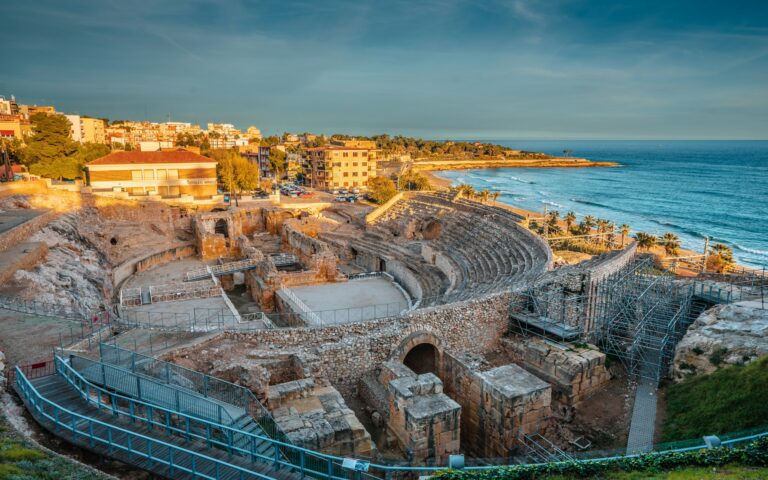 Photo by Alexander London on Unsplash
Tarragona
Spain’s most complete Roman city, with a seaside amphitheatre, forum and walls on the relaxed Costa Daurada.
-
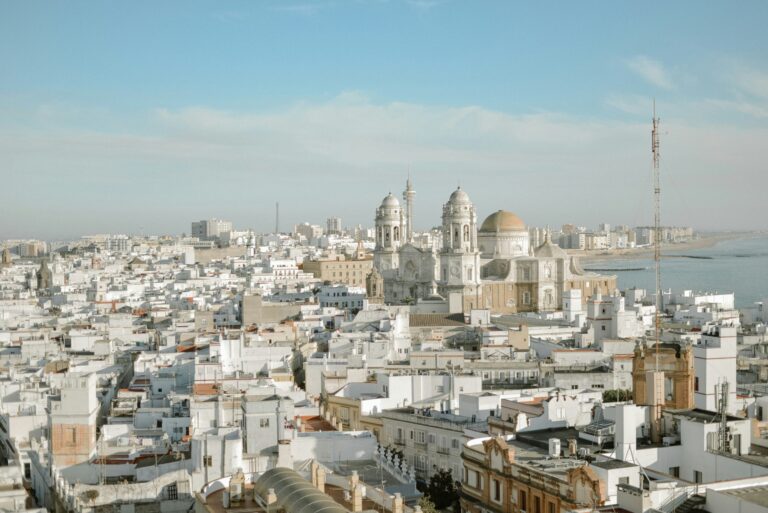
Cádiz
One of Europe’s oldest cities, wrapped by the Atlantic, with golden city beaches, lively plazas, superb seafood and unforgettable sunsets.
-
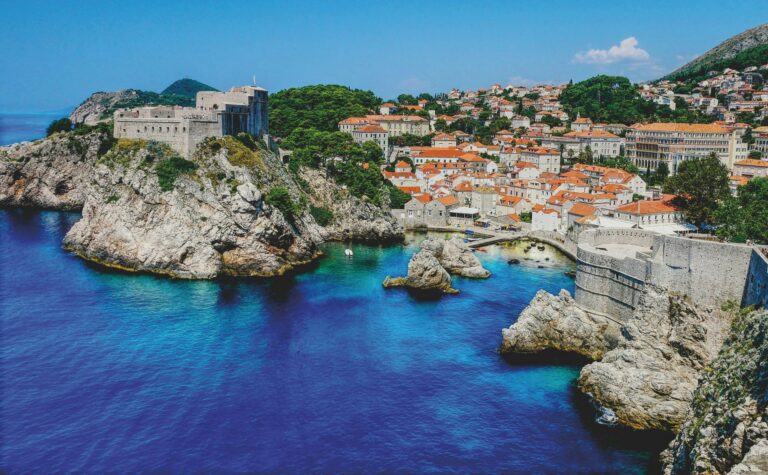
Split
A sun-drenched Dalmatian city built inside a living Roman palace, and the gateway to Croatia’s island-hopping scene.
-
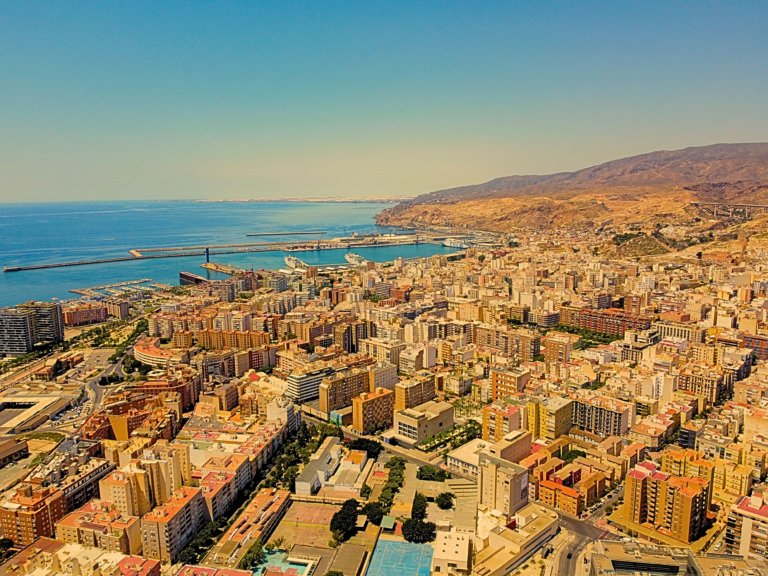 Photo: Manuel Serrano Fernández / pexels.com
Almería
A sunny, authentic Andalusian city with a vast Moorish fortress, relaxed beaches and the wild coastline of Cabo de Gata on its doorstep.
Plan your Cartagena trip
Keep flights, stays and day-by-day plans together in one place, with ideas from this guide ready to add. It’s free and nothing to sign up for.
Start planning-
Somewhere like Cartagena
Loved the sound of Cartagena? Discover suggests other places with a similar feel.
-
Book your trip
Compare places to stay, flights and experiences for your dates.
-
Travel essentials
Find travel insurance, eSIMs, cabin bags, adapters and more.
-
More travel tools
Weather by month, currency conversion, packing lists and trip budgets.
In development
The Premium Cartagena Guide is coming soon
We’re researching and creating our comprehensive Cartagena Guide: the places we’d send a friend, with a map on your phone that takes you straight to them.
What’s inside
- Personally chosen restaurants, cafés and bars
- Neighbourhood guides and hidden gems
- Scenic walks and photography spots
- An interactive map of every recommendation
£9.99 one-off, including the map